
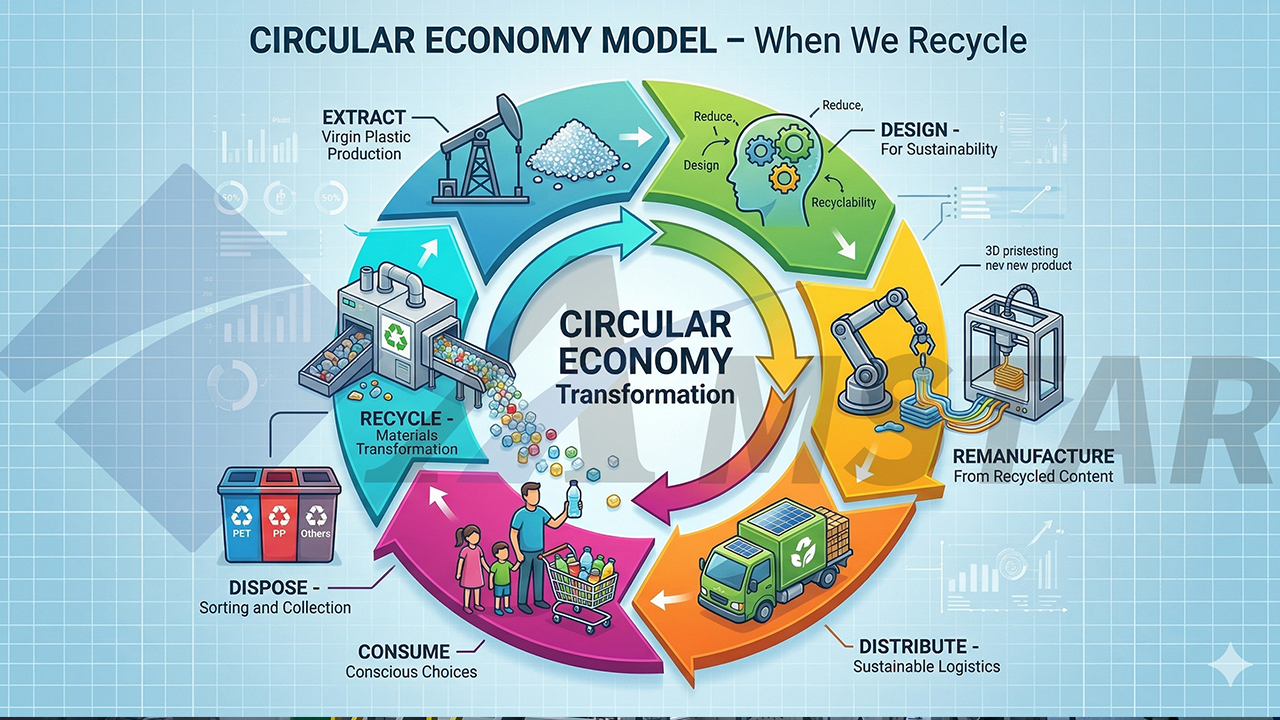
Transform plastic waste into profit with advanced recycling machines that convert discarded materials into high-quality reusable pellets. These systems reduce costs, improve efficiency, and support your move toward a more sustainable, circular business model.
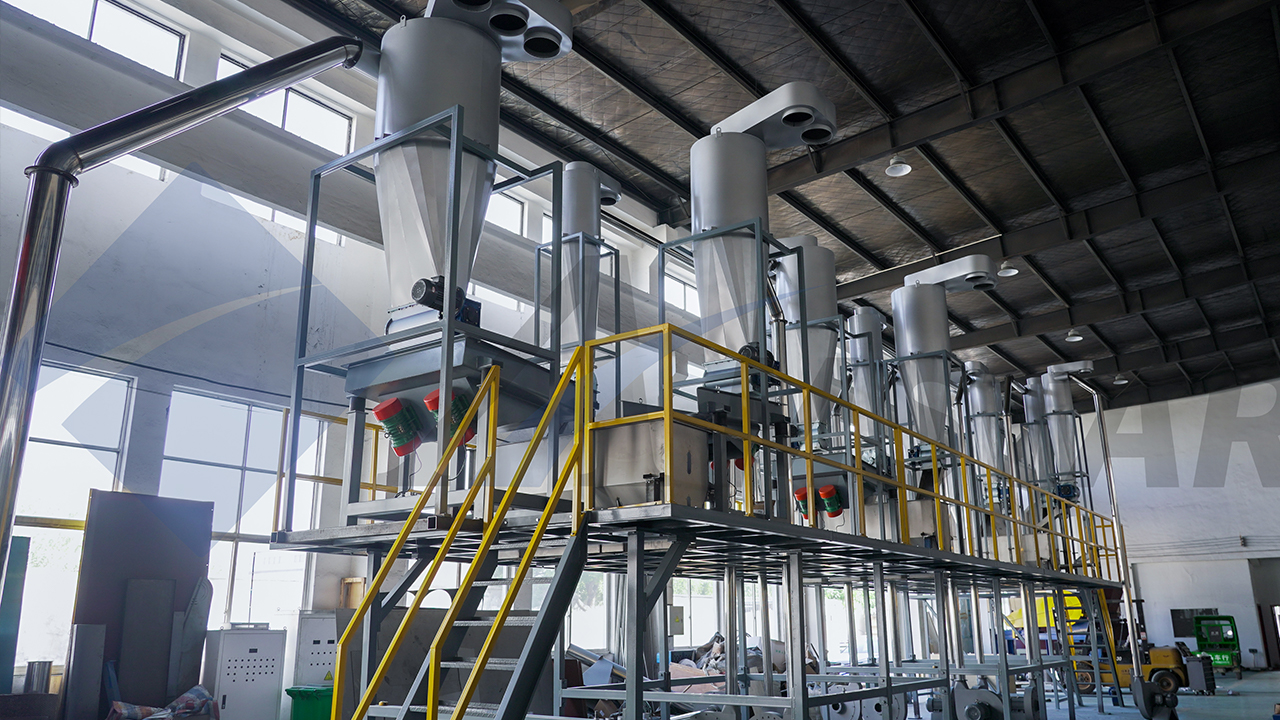
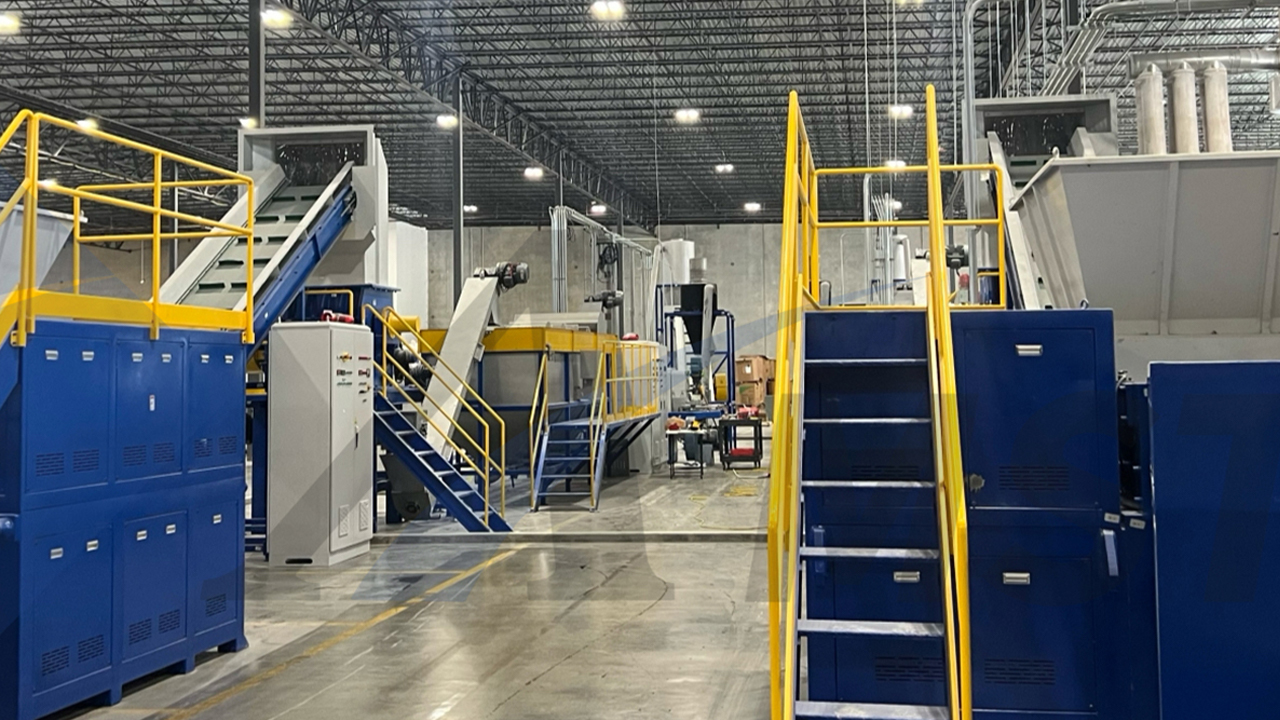
The plastic sorting line is an essential piece of equipment for processing a wide range of plastic materials, including various types of hard plastics such as PP, PE, PS, PVC, and ABS.
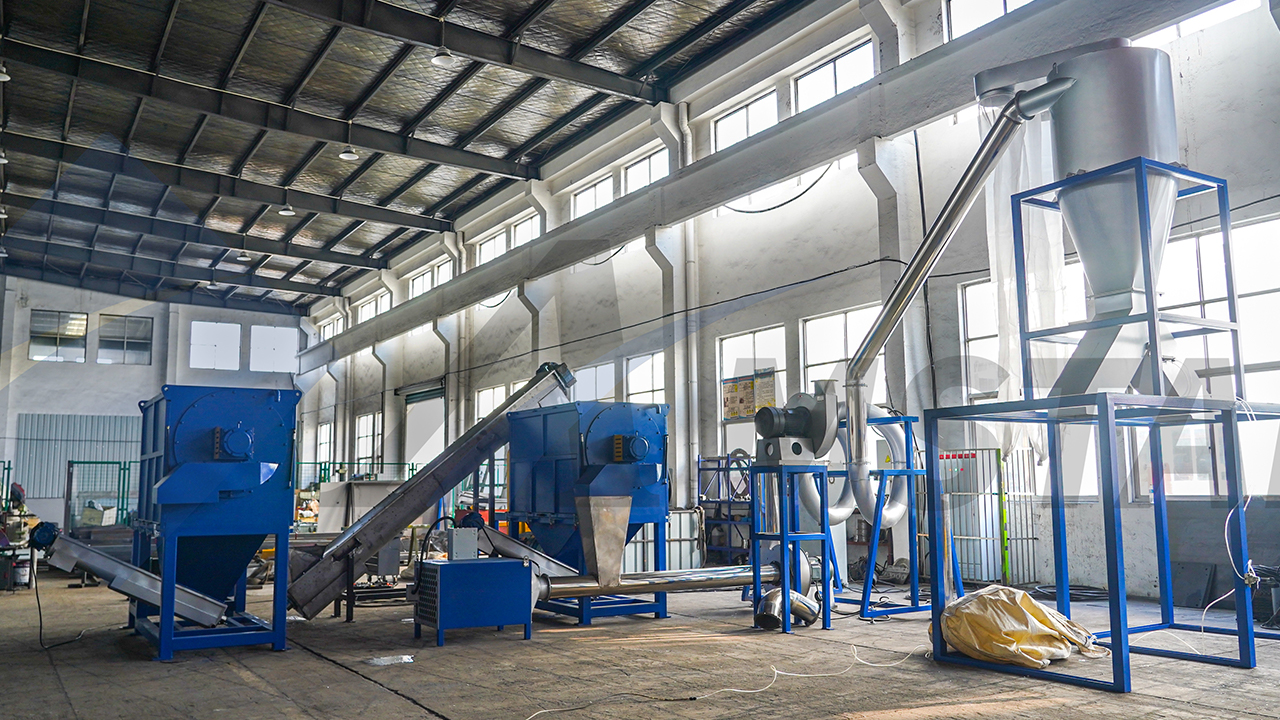
A centrifugal dryer in plastic recycling does more than remove moisture—it stabilizes material flow, improves extrusion consistency, and boosts overall line efficiency. By reducing water content early in the process, it lowers energy demand for thermal drying and minimizes defects like bubbles in pellets.
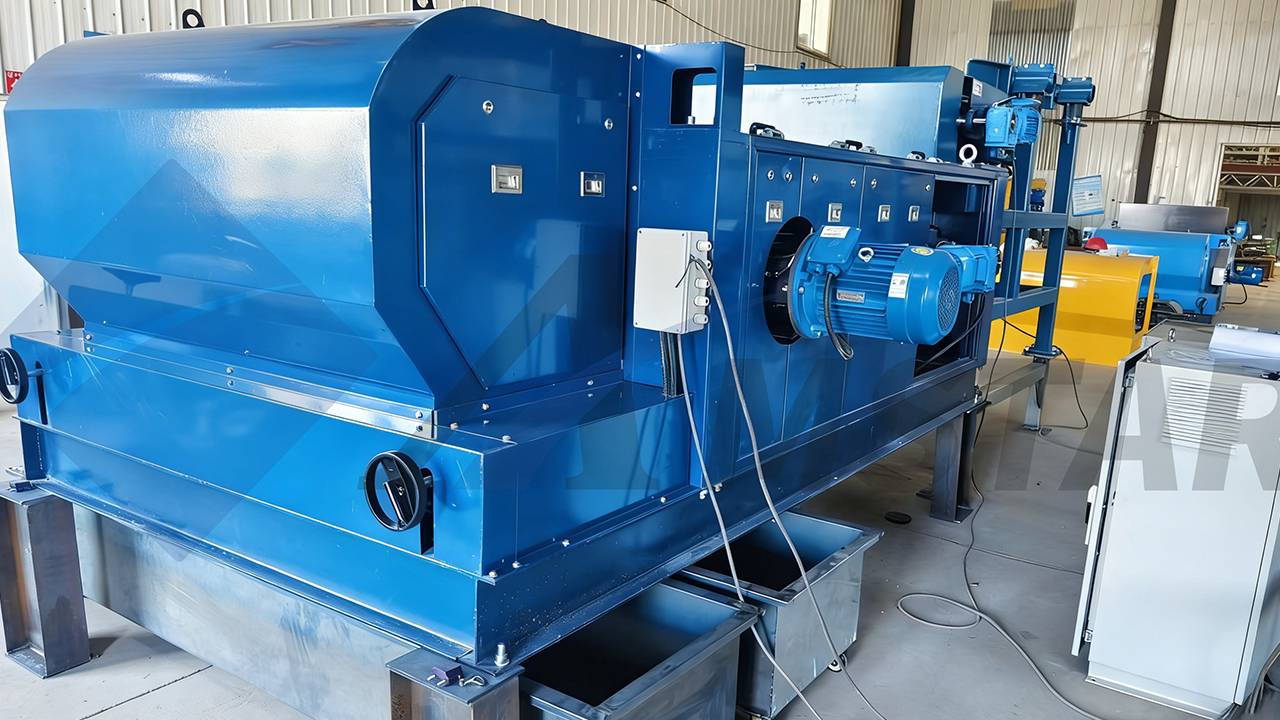
After ferrous metals are removed, the remaining mixed material (plastics + aluminum + copper) enters the eddy current separation stage, which is critical for value recovery.
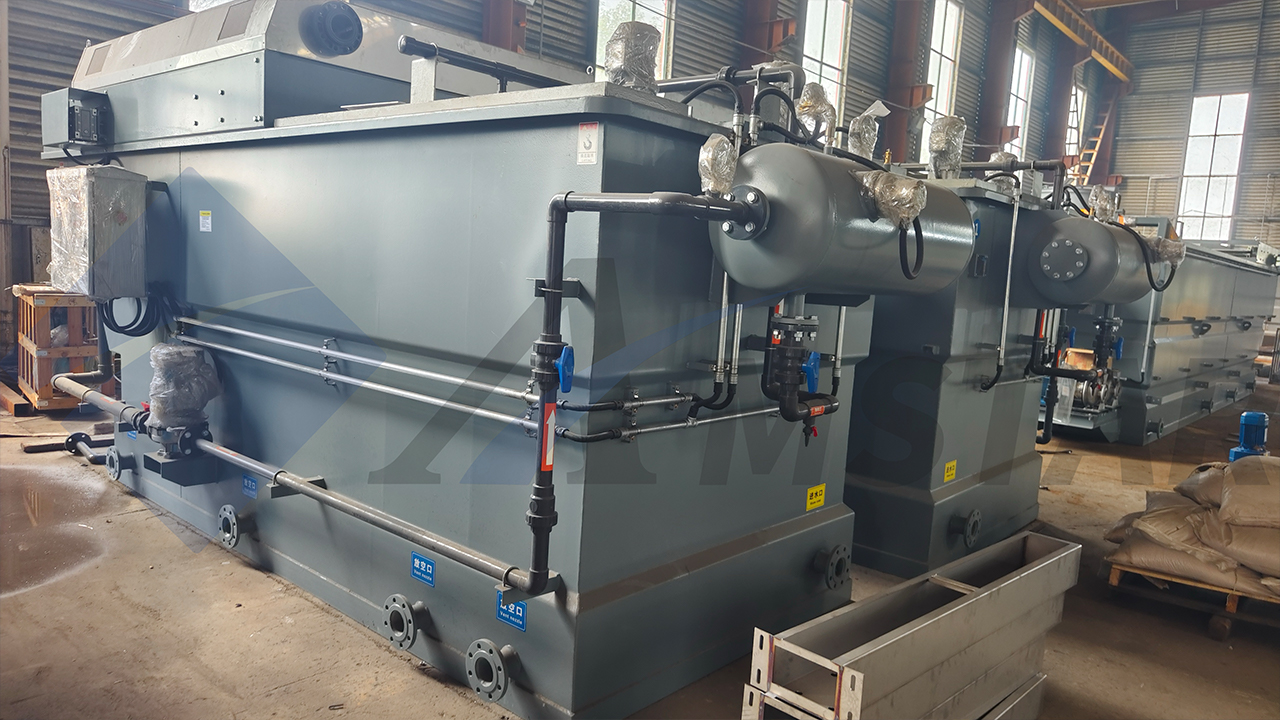
The Dissolved Air Flotation (DAF) system is a highly efficient solid-liquid separation technology widely used in industrial wastewater treatment. It works by generating a large number of microbubbles (10–30 μm) that attach to suspended solids, oil, and grease.
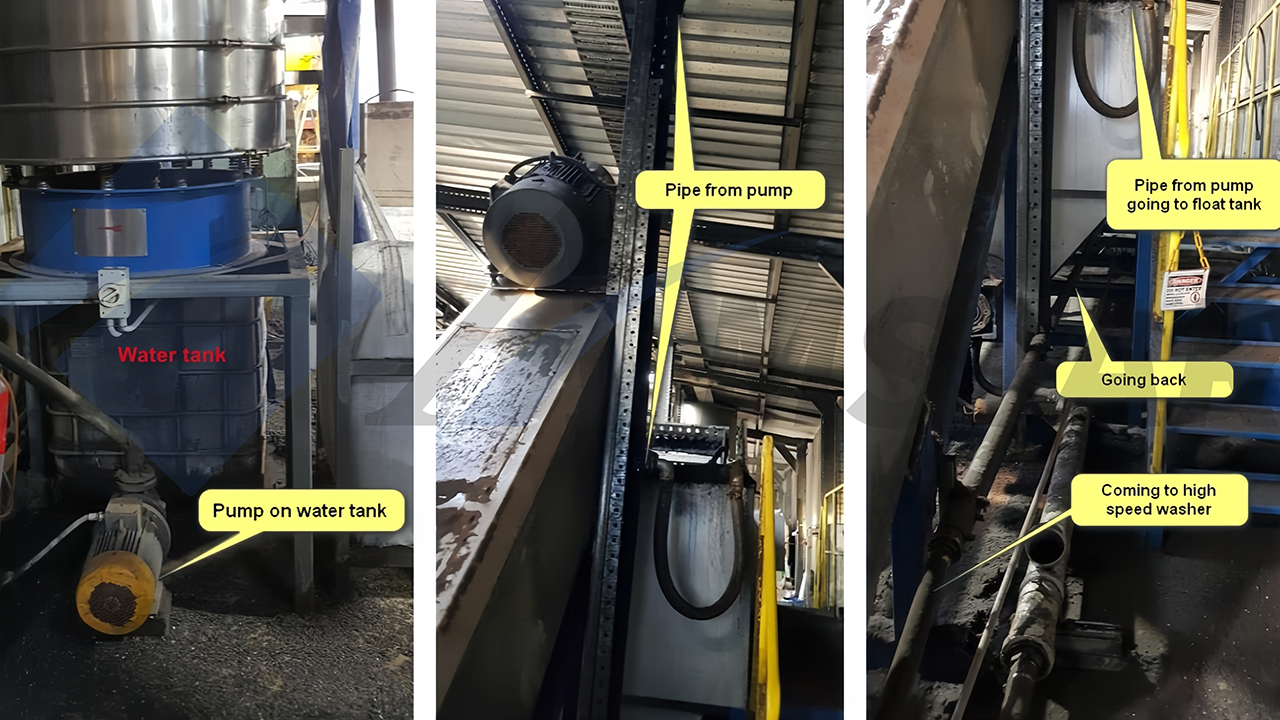
For many recycling facilities, a simple and reliable wastewater treatment method is sufficient. One of the most practical solutions is a vibrator wastewater system.
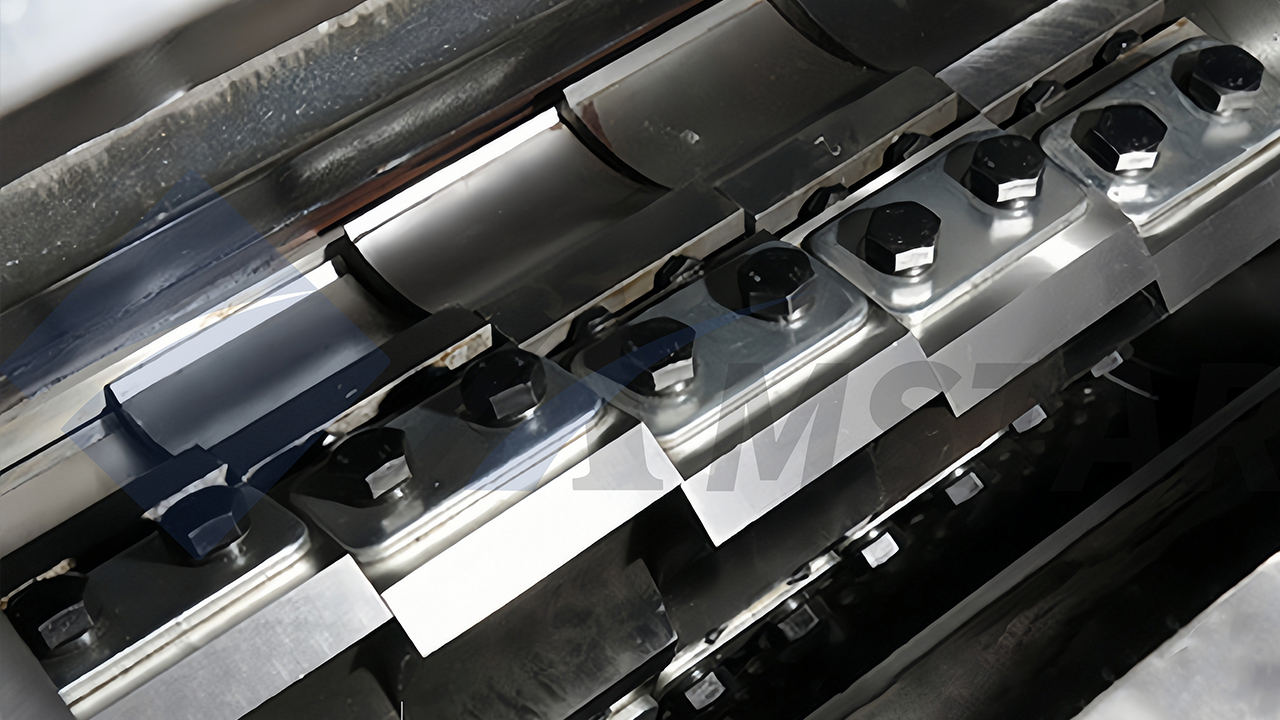
In the modern plastic recycling industry, handling tough, rigid plastic waste is a core challenge. From injection molded runners and reject parts to PET preforms, plastic blocks and other hard plastics, standard granulators simply aren’t built to withstand continuous industrial use.
This 1000KG/H PP PE Film Washing Pelletizing Line is designed for efficient recycling of post-industrial and post-consumer plastic films such as PP woven bags, PE agricultural film, LDPE packaging film, and stretch film.
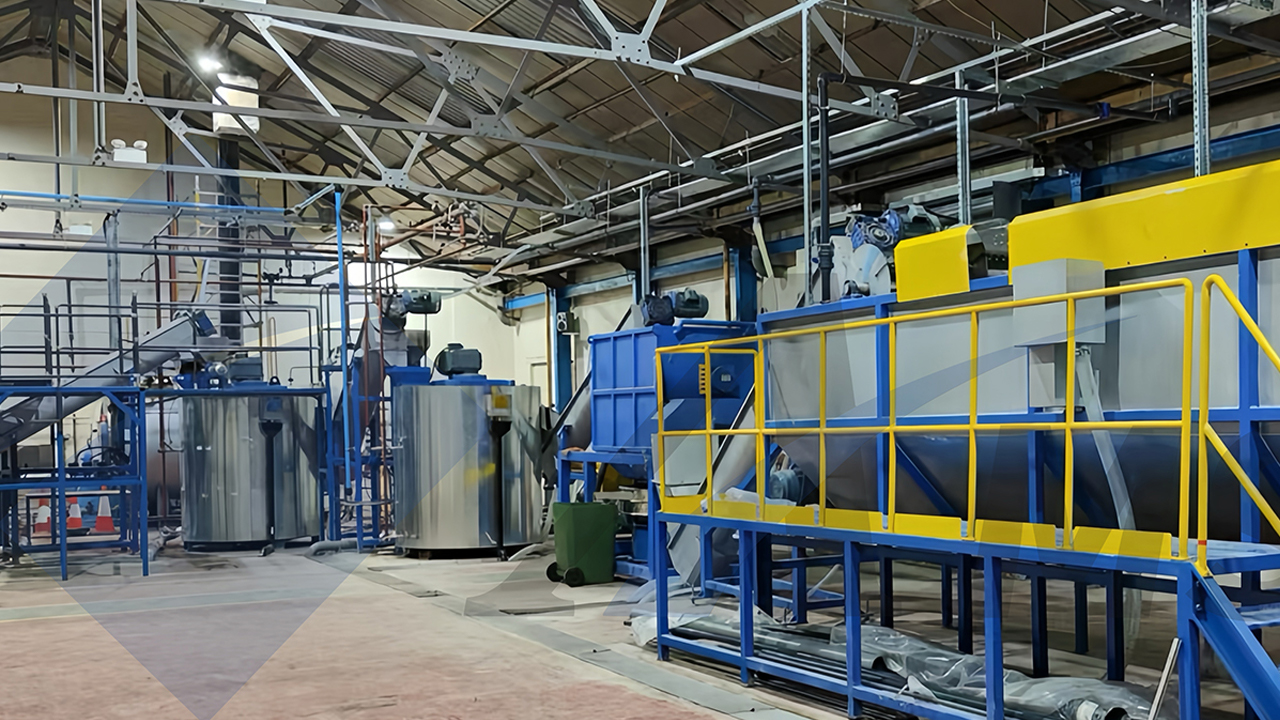
The 1000KG/H PET Bottle Washing Line is designed to deliver consistent washing quality while maintaining low water and energy consumption.
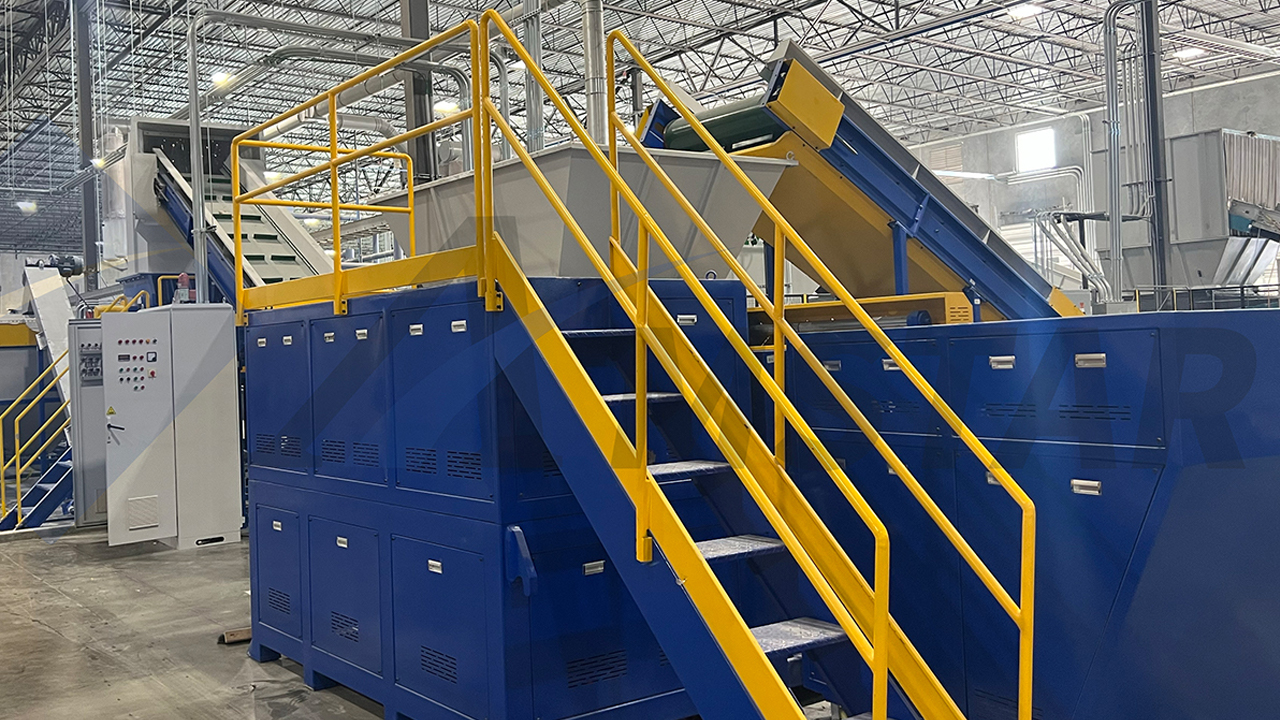
In plastic recycling systems, shredders are often described as machines that “make material smaller.” This description is technically correct—but strategically incomplete.