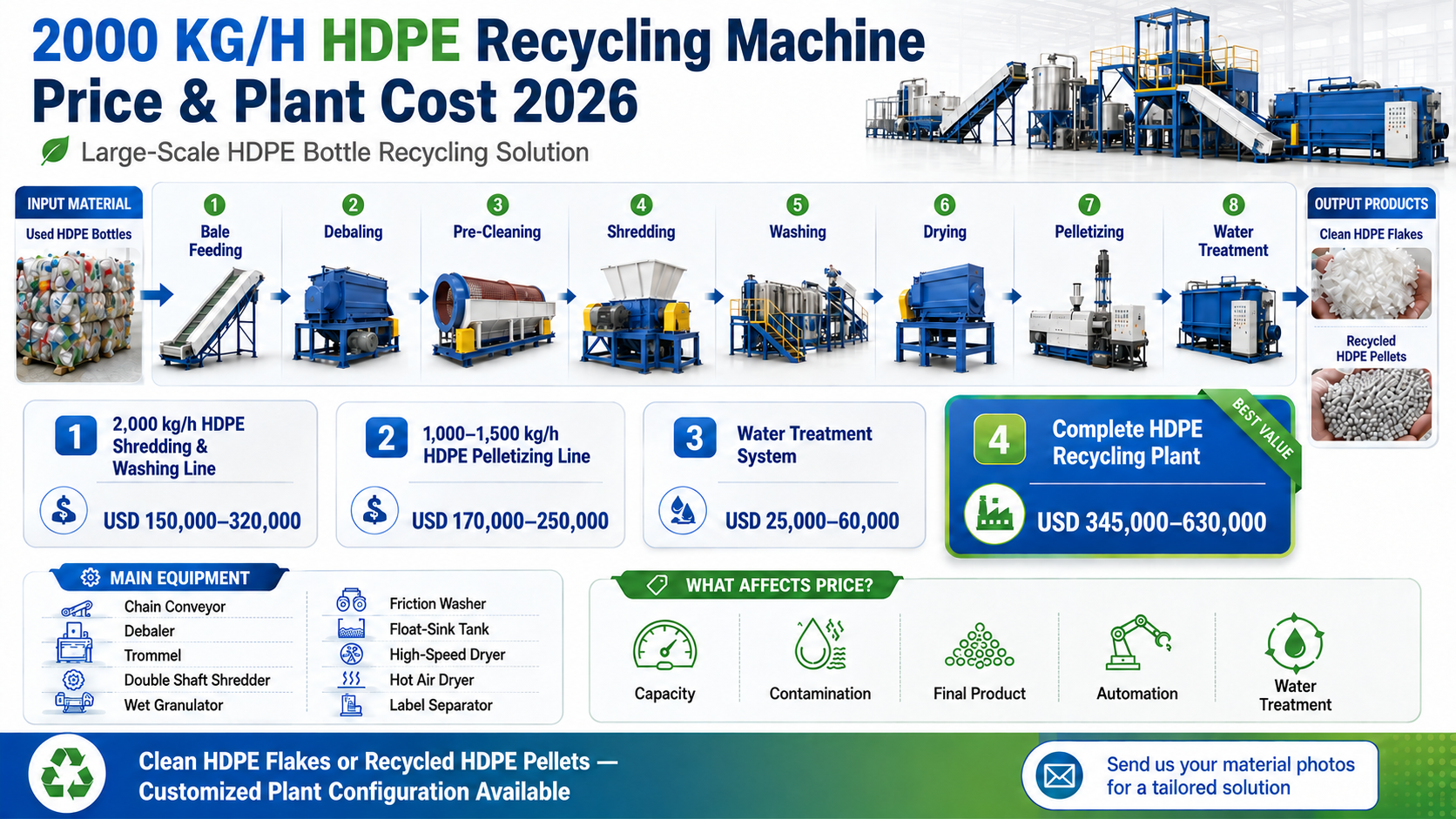
The actual HDPE recycling machine price depends on raw material condition, contamination level, required capacity, washing process, automation level, final product quality and wastewater treatment requirements.
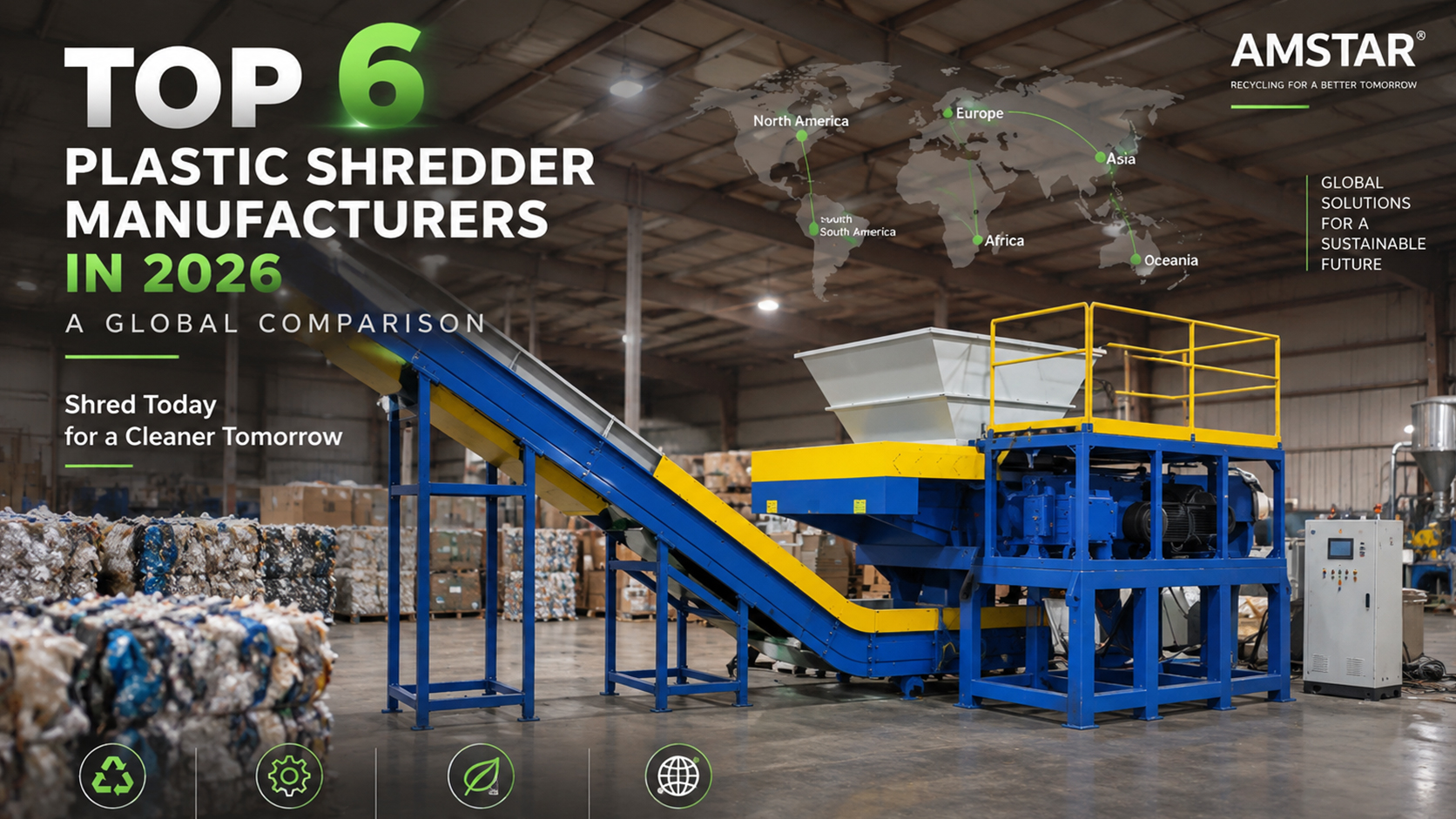
Based on industry experience, product range, plastic recycling applications, engineering capabilities and global market presence, here are six plastic shredder manufacturers worth knowing in 2026.
Choosing the right plastic recycling machine manufacturer is one of the most important decisions when investing in a new recycling plant. Different manufacturers specialize in different stages of the recycling process—from shredding and washing to extrusion, filtration and pelletizing.
When sourcing industrial recycling equipment, it is common to see significant price disparities between seemingly identical machinery. Two "1000-model" plastic shredder machines may carry vastly different price tags across suppliers.
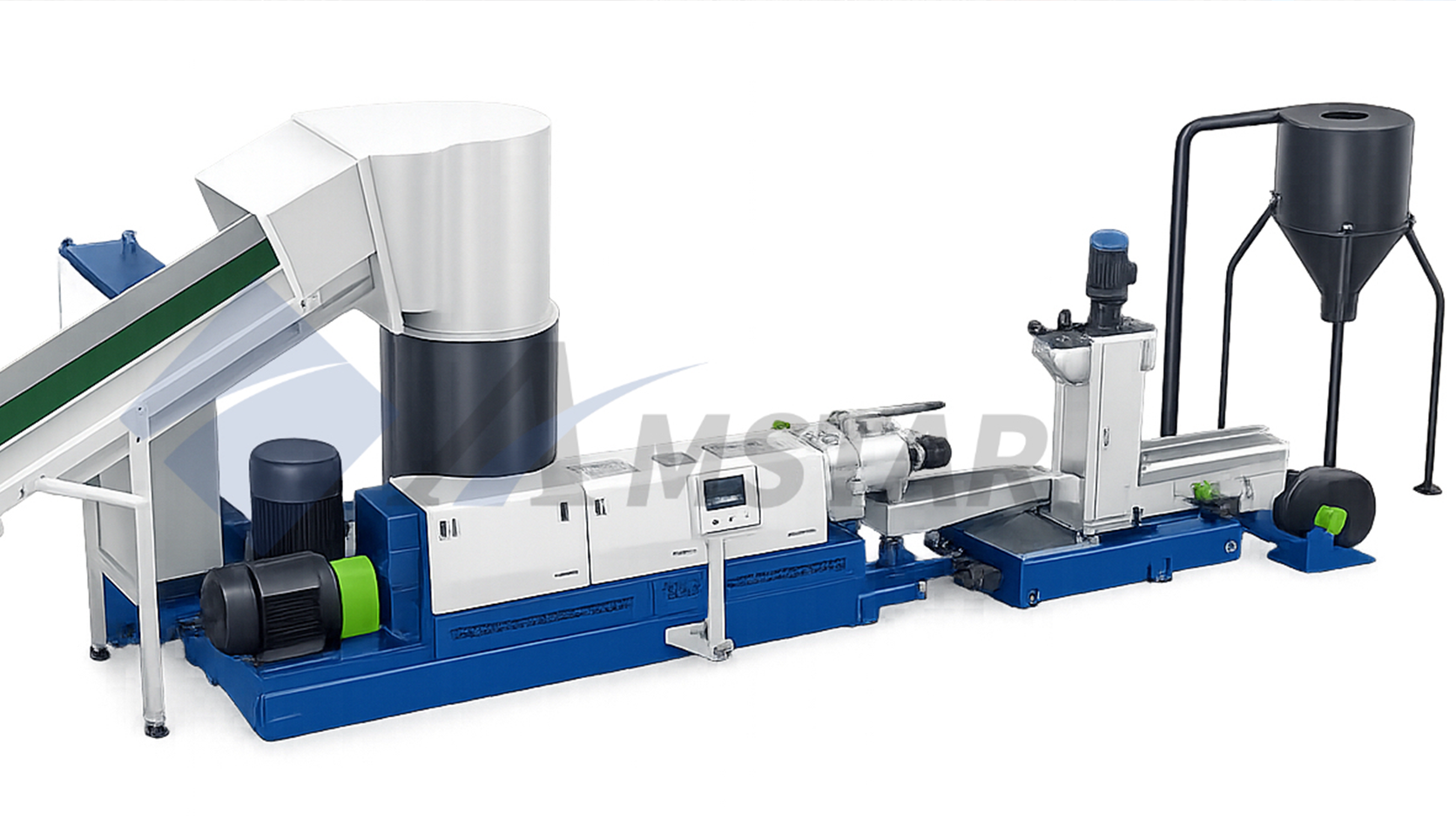
Recycling lightweight plastic film requires more than a standard plastic extruder. Thin film is difficult to feed continuously, easily slips on conventional conveyors, and may cause unstable extrusion pressure.
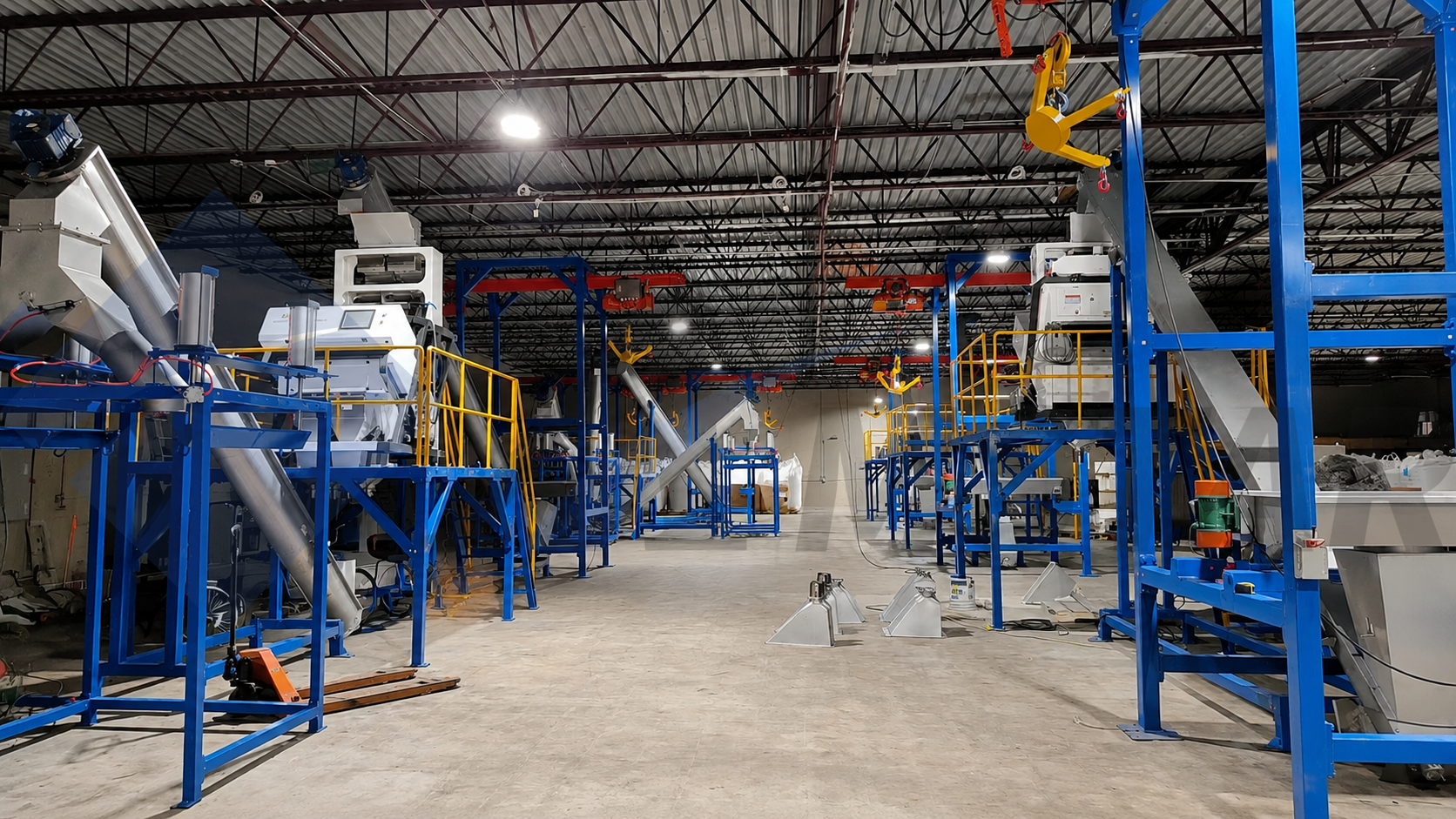
Learn how a customized plastic sorting line improves PET recycling by increasing material purity, reducing contamination, and maximizing the value of recycled plastics. Discover how Amstar's advanced plastic recycling machines deliver efficient, high-performance sorting solutions.
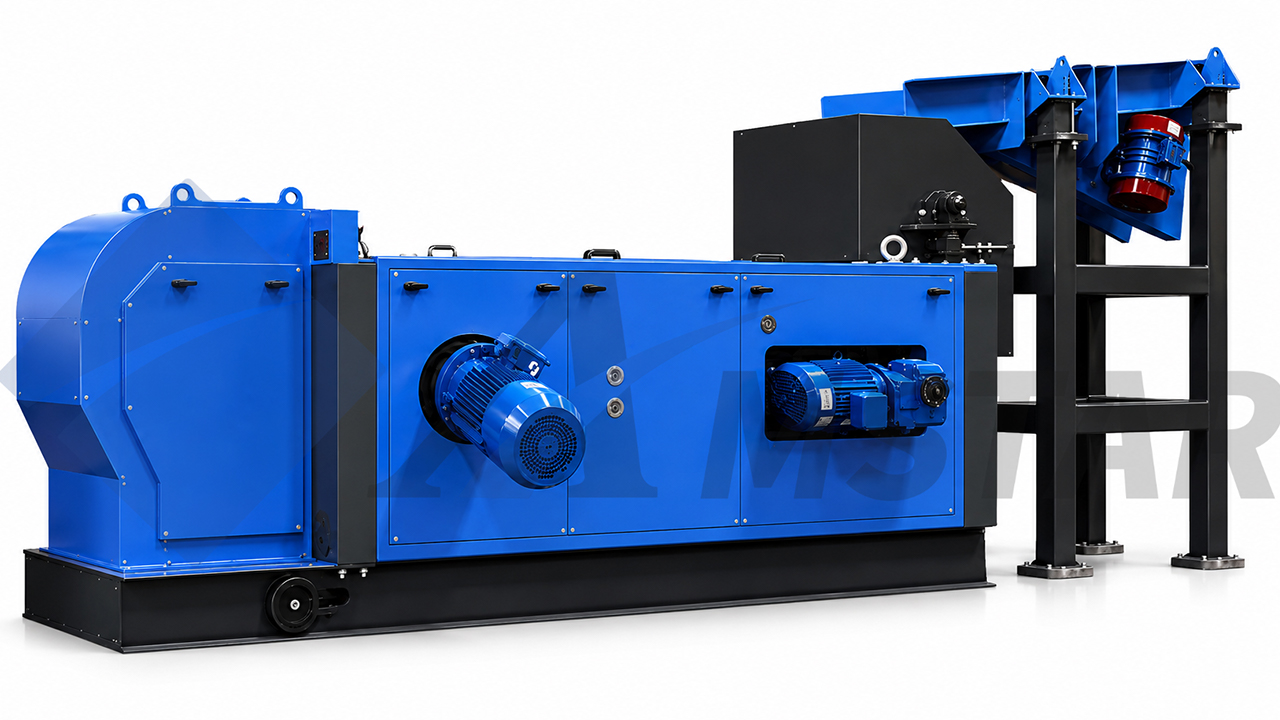
In modern plastic recycling plants, even a small amount of aluminum, copper, or metal contamination can significantly reduce the value of recycled plastic flakes and pellets.
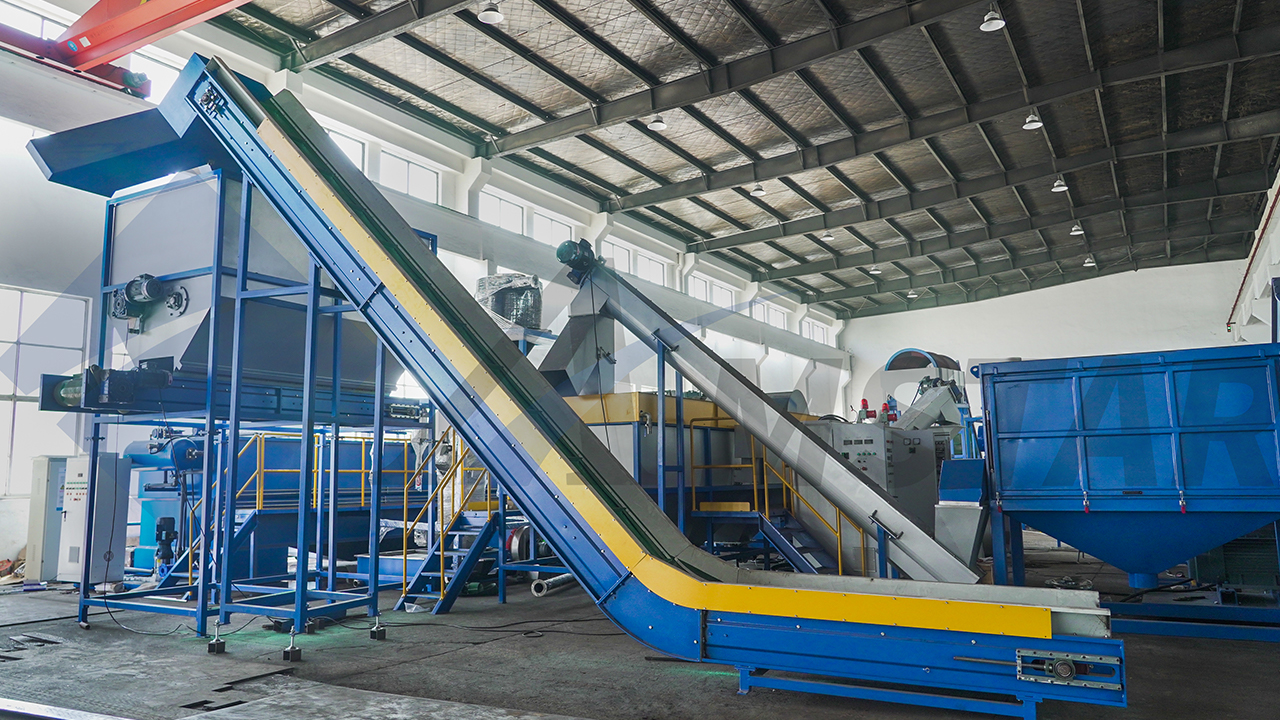
In a modern plastic recycling machine, the belt conveyor plays a vital role in transporting materials between shredding, crushing, washing, drying, and pelletizing processes.
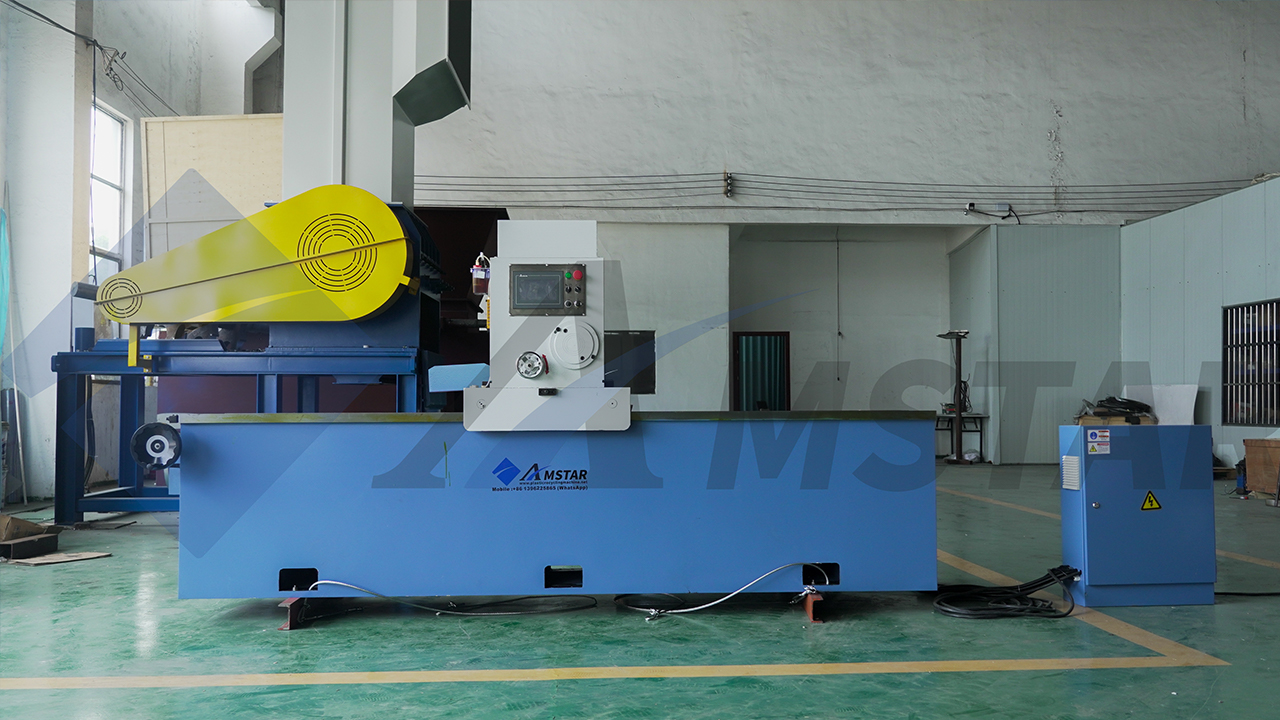
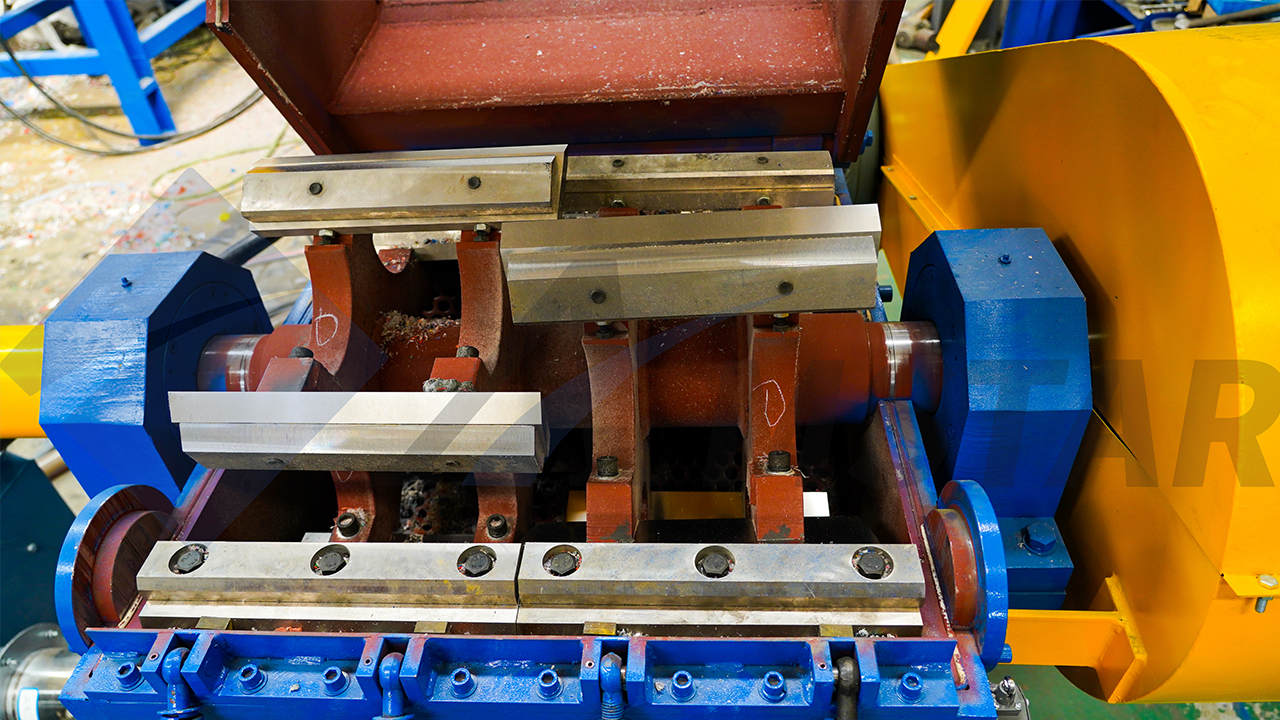
In the plastic recycling industry, blade sharpness directly affects machine performance, production efficiency, material quality, and operating costs. Whether used in plastic granulators, crushers, or shredders, worn or dull blades can lead to excessive dust, unstable output size, higher energy consumption, and reduced production capacity.
In plastic recycling operations, downtime is expensive. For many crushers and shredders, blade replacement is one of the most labor-intensive maintenance tasks — especially when dealing with heavy rotor knives, tight installation spaces, and repeated alignment adjustments.