

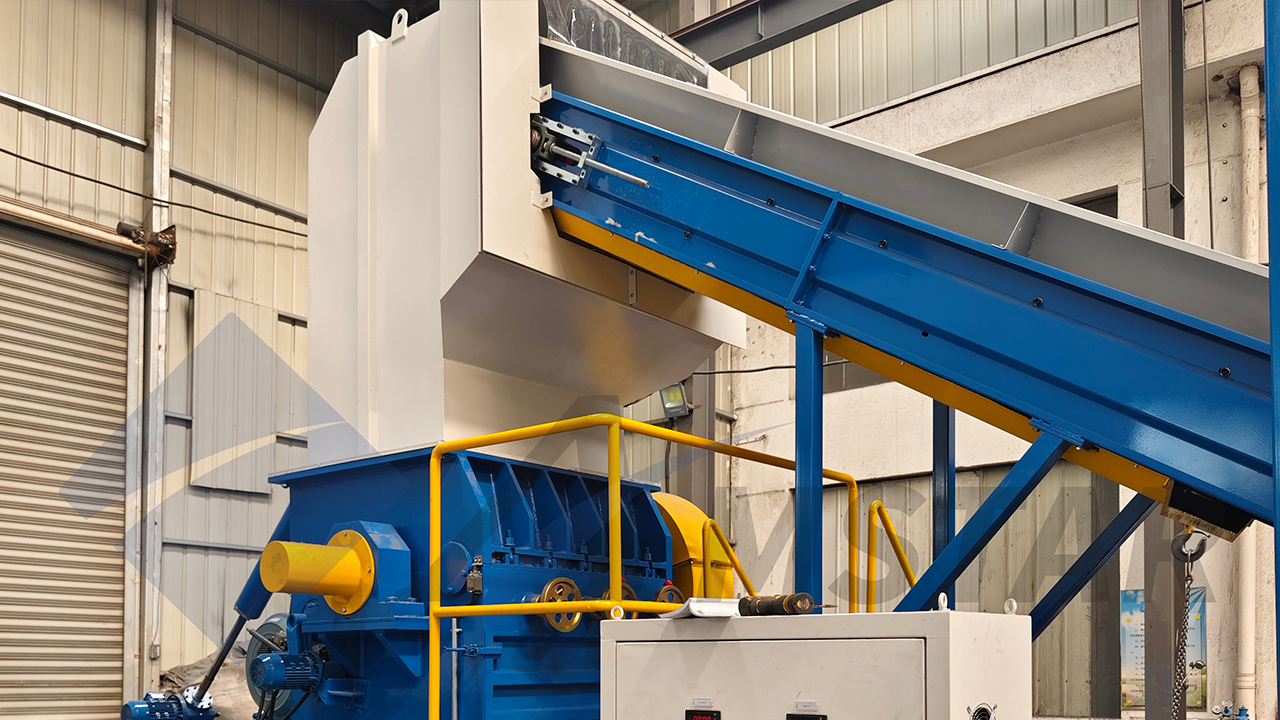
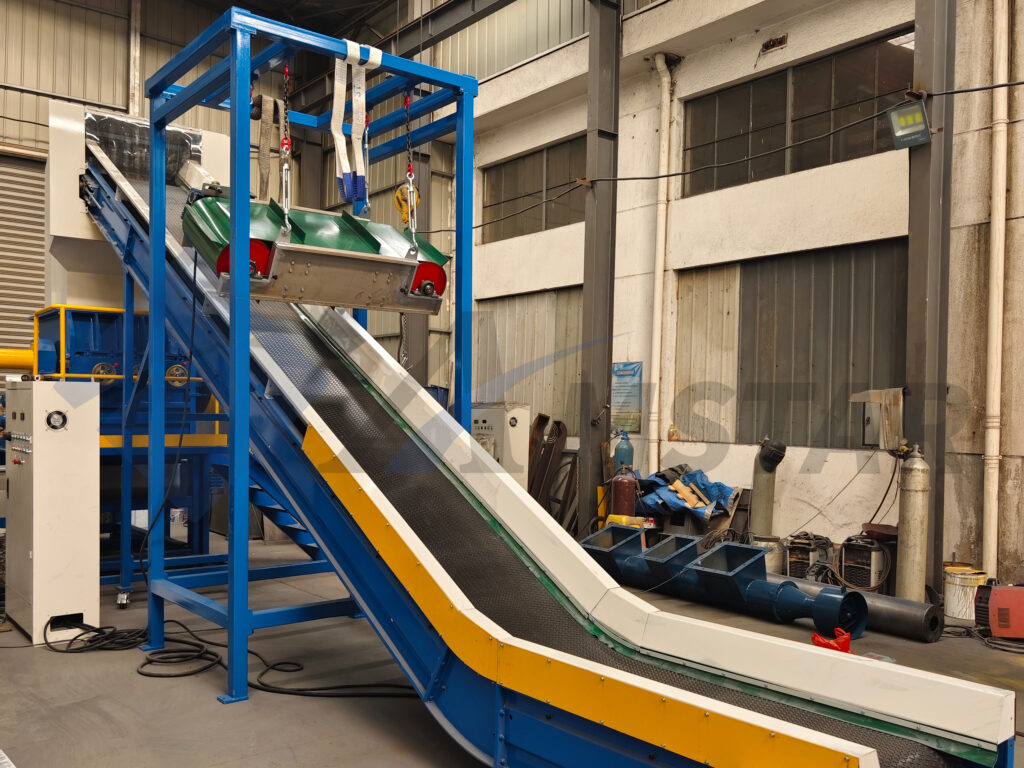
In plastic recycling, the granulator or crusher is often seen as a “basic” machine. In reality, it is one of the most influential stages in determining material quality, system stability, and downstream efficiency. Rather than viewing a plastic granulator simply as a size-reduction tool, this article looks at it from a different angle: how material behavior inside the granulator directly affects the entire recycling line.
1. Plastic Granulation Is Not Just About Size Reduction
A plastic granulator does more than break plastics into smaller pieces. It controls how material behaves before washing, separation, extrusion, or pelletizing. During granulation, the machine determines:
- Particle size consistency
- Edge sharpness or flake geometry
- Heat generation during cutting
- Dust and fines content
These factors directly influence washing efficiency, drying performance, and even extrusion stability later in the process.
In other words, poor granulation cannot be “fixed” downstream.
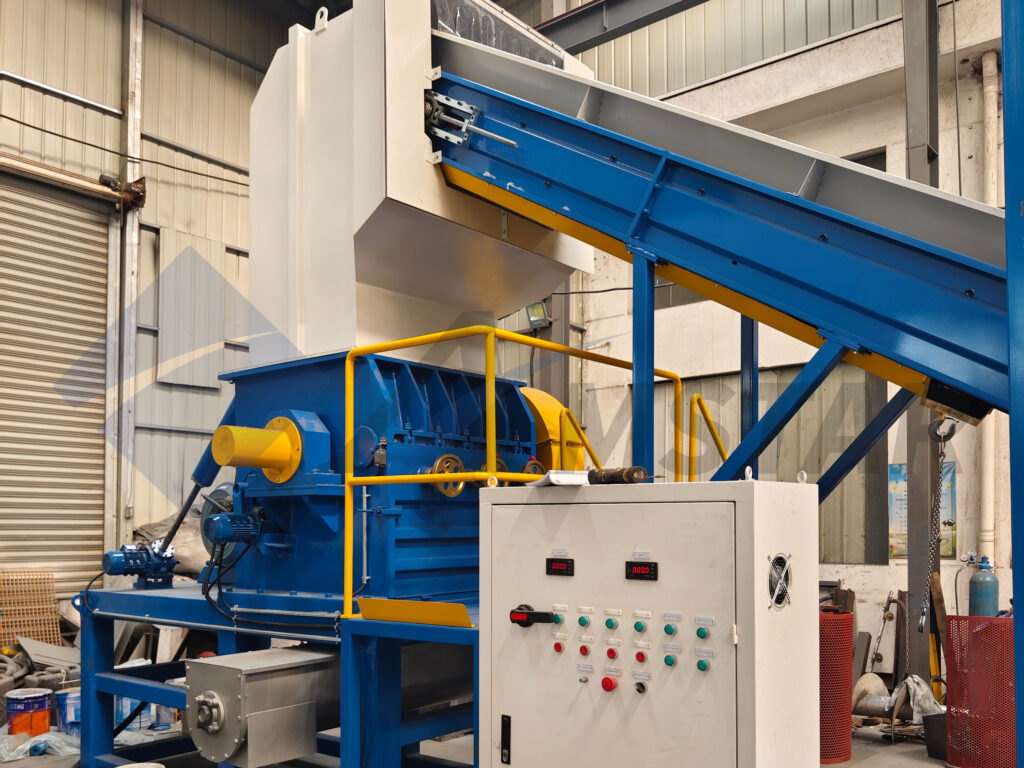
2. How Material Type Changes Granulator Performance
Different plastics react very differently inside a crusher or granulator.
| Material Type | Granulation Behavior | Key Consideration |
| Rigid PP / HDPE | Clean cutting, stable load | Rotor speed & knife gap |
| PET bottles | Brittle, sharp flakes | Screen size & wear resistance |
| Film (LDPE/LLDPE) | Wrapping tendency | Rotor design & feeding control |
| Injection scrap | Dense & thick | Motor torque & blade strength |
A well-designed plastic granulator adapts to material behavior, not just material type.
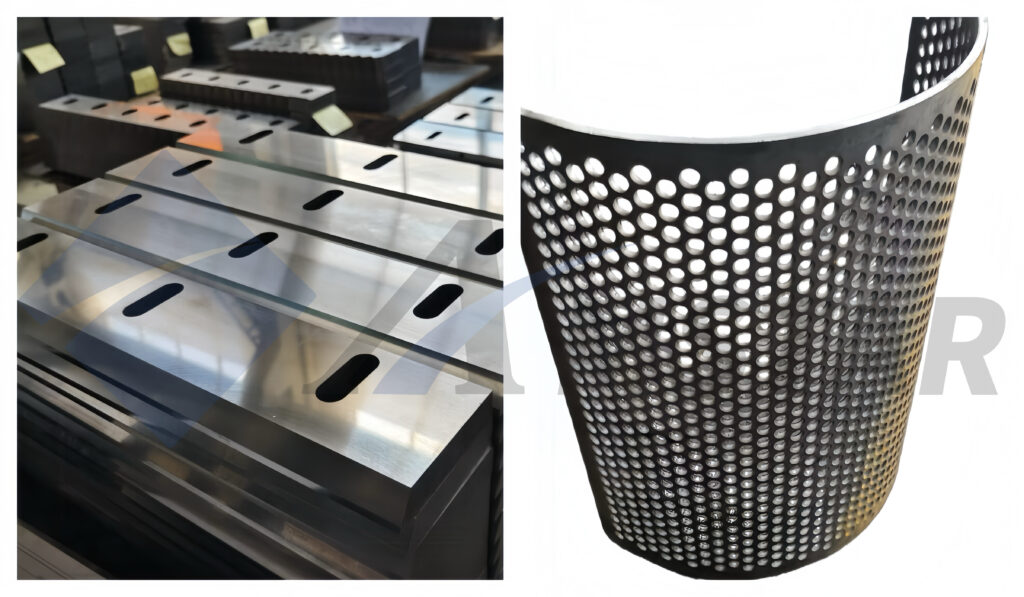
3. Blade Design: The Real “Brain” of a Plastic Crusher
While motors and frames matter, knife geometry defines cutting quality. Key blade factors include:
- Cutting angle – affects power draw and heat buildup
- Knife arrangement – staggered vs straight alignment
- Clearance control – stable particle size and low dust
- Material hardness – wear life vs cutting sharpness
A stable blade system produces uniform regrind, reduces vibration, and extends maintenance intervals. This is why industrial plastic granulators are engineered, not standardized.
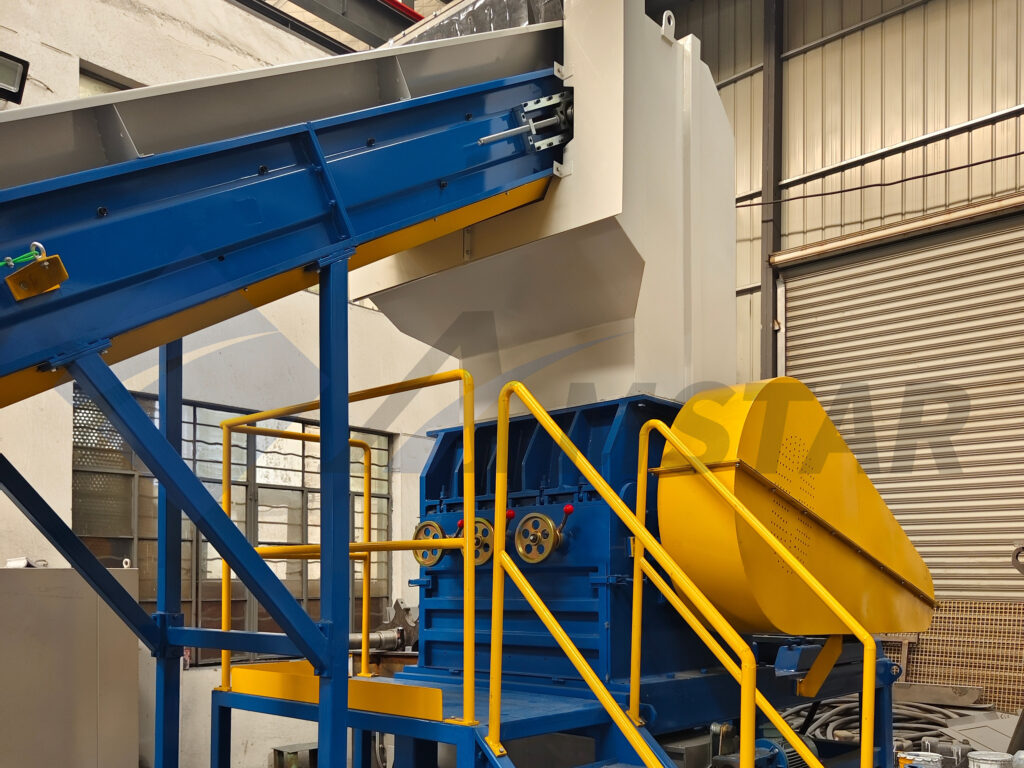
4. Screen Size Is a Process Decision, Not a Number
Many buyers select screen size based only on output size. In practice, screen selection should be based on what happens next.
- Washing line → larger, open flakes improve friction washing
- Pelletizing → consistent size avoids feeding fluctuation
- Agglomeration or densifying → controlled thickness matters more than length
Choosing the wrong screen increases fines, energy use, and wear across the entire line.
5. Granulator Stability Defines Line Efficiency
In a complete recycling system, the granulator is often the first high-load machine. If it runs unstably, the entire line suffers:
- Conveyor overload
- Washing tanks fluctuating
- Dryer imbalance
- Extruder feeding inconsistency
A properly sized plastic crusher with stable cutting behavior becomes a buffer, not a bottleneck.
6. Choosing a Plastic Granulator from a System Perspective
Instead of asking “How many kilograms per hour?”, the better questions are:
- What material behavior do I need after crushing?
- How stable must particle size be for my downstream equipment?
- Is my process more sensitive to fines, heat, or shape?
When a plastic granulator is selected as part of a system, not as a standalone machine, the entire recycling line becomes easier to operate, maintain, and scale.
Final Thoughts
A plastic granulator or crusher is not just the first step in recycling—it quietly defines everything that follows. Understanding material behavior inside the granulator is the key to higher output, better quality regrind, and long-term system stability. That is why, in modern plastic recycling plants, granulation is no longer a simple crushing task—but a process-critical operation.
Inquiries
To learn more about this product, please send us a message using the form below: