
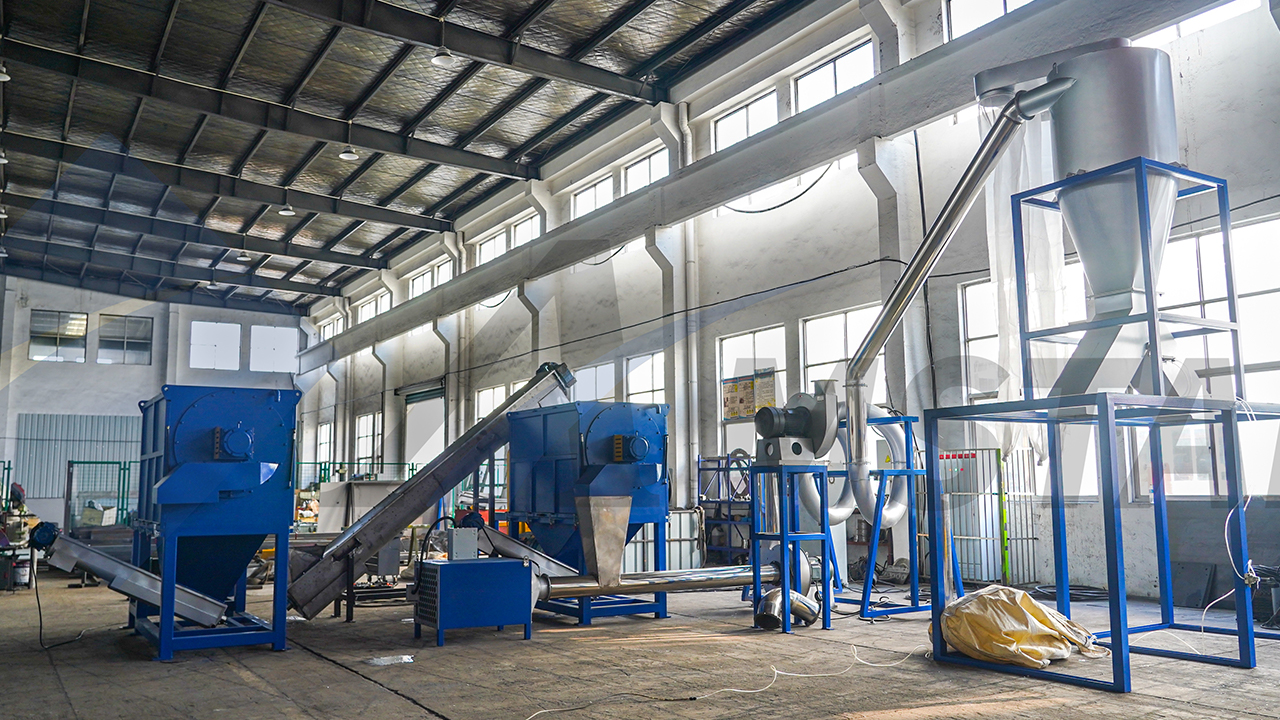
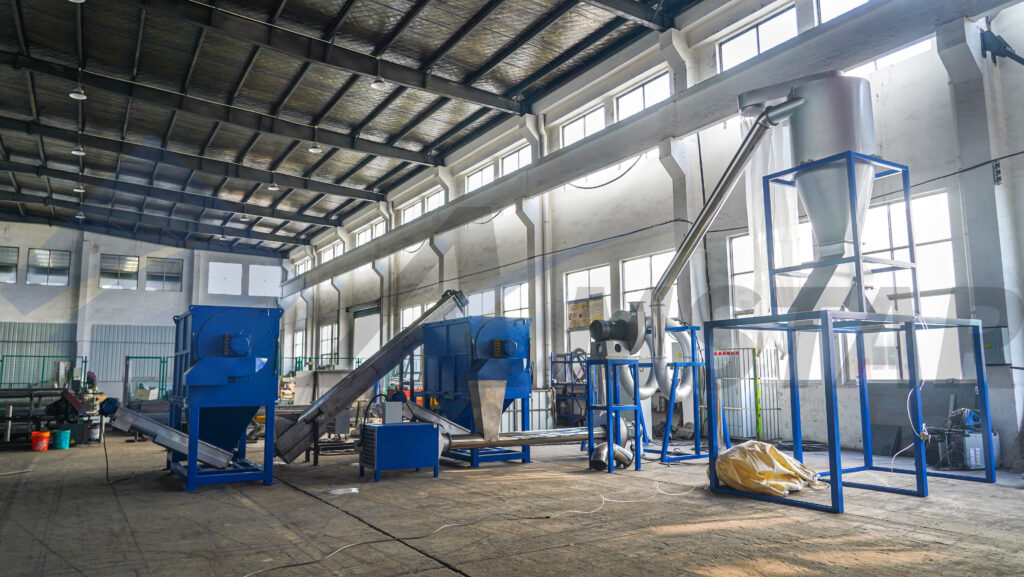
Not Just Drying — Process Control
In plastic recycling, moisture directly affects:
- Pellet quality
- Extrusion stability
- Overall output
A centrifugal dryer is not just for removing water — it helps stabilize the entire process.
How It Improves Your Line
Stabilizes Material Feeding
Wet flakes become consistent, reducing fluctuation in extrusion and pelletizing.
Reduces Energy Load
Less moisture entering thermal drying → lower heating cost.
Increases Effective Output
Fewer stoppages and smoother operation mean higher real capacity.
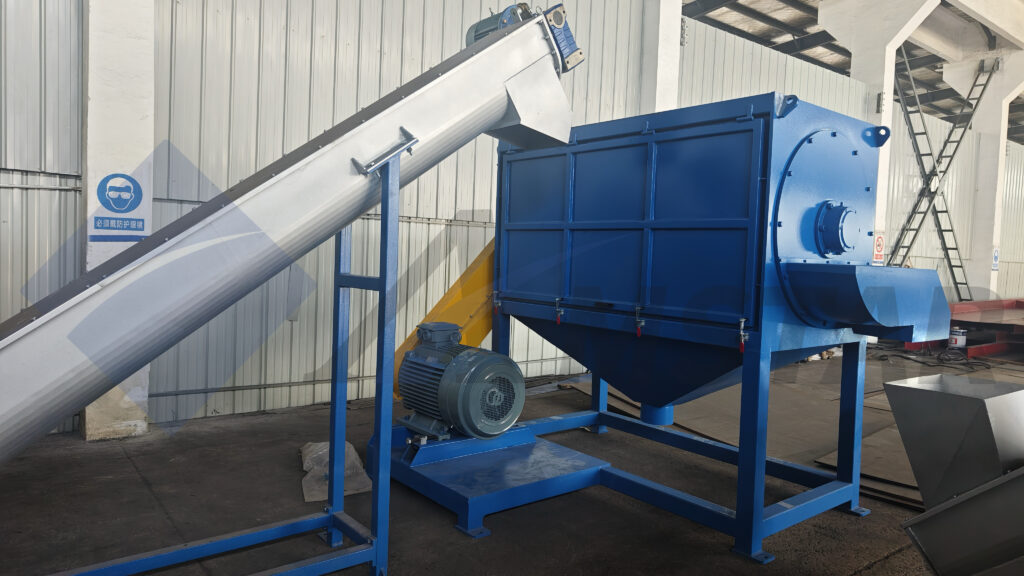
Where It Fits
Installed after washing and before pelletizing, the centrifugal dryer acts as the first drying stage.
Typical results:
- Film: ~10–12% moisture
- Rigid plastics: ~3–5% moisture
Further drying (if required) is done by a thermal dryer.
Why It Matters
Without proper dewatering:
- Extruders become unstable
- Pellets may contain bubbles
- Energy consumption increases
A well-matched centrifugal dryer solves these issues at an early stage.
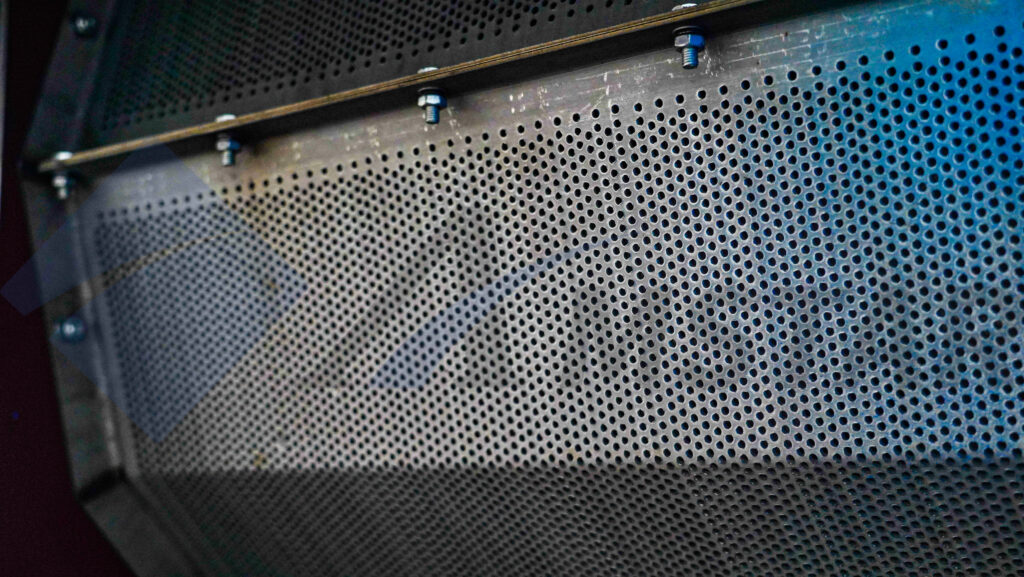
Key Selection Points
- Capacity must match washing line (kg/h)
- Anti-wrapping design for films
- Wear-resistant rotor for rigid plastics
- Proper screen size for efficiency
Conclusion
A centrifugal dryer is a small machine with a direct impact on quality, energy cost, and line stability.
INQUIRIES
To get the latest prices and lead times, send us a message using the form below.