
How to Replace a Conveyor Belt in a Plastic Recycling Plant
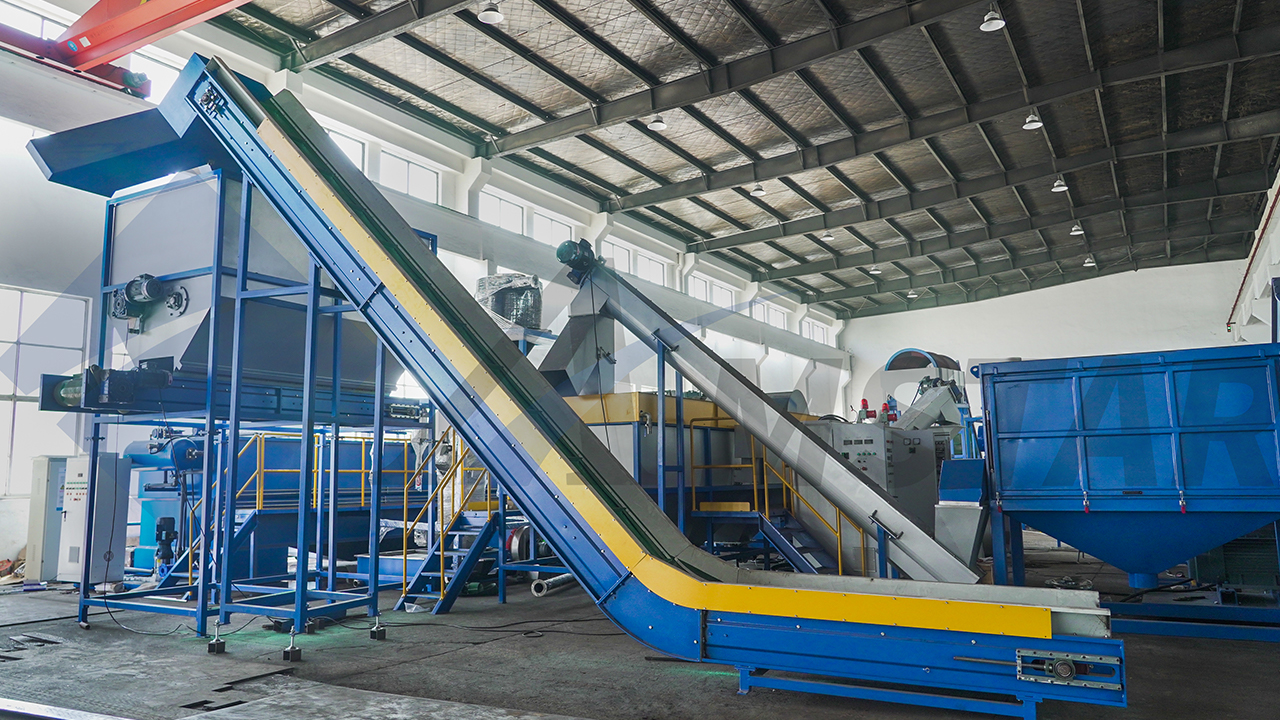
In a modern plastic recycling machine, the belt conveyor plays a vital role in transporting materials between shredding, crushing, washing, drying, and pelletizing processes. Whether handling PET bottles, plastic flakes, films, or recycled pellets, a well-maintained conveyor system helps ensure stable production and efficient material flow.
Over time, conveyor belts can wear, stretch, or become damaged due to continuous operation. Replacing the belt at the right time helps reduce downtime, improve conveying efficiency, and extend the service life of the entire recycling line.
Applications of Belt Conveyors in Plastic Recycling
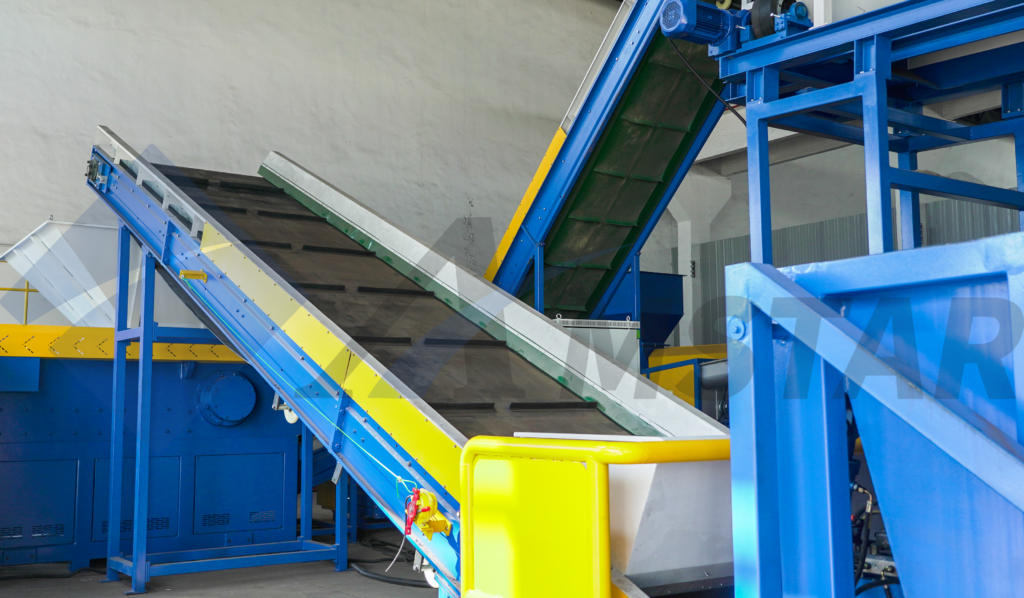
Belt conveyors are widely used in:
- PET bottle recycling lines
- PP PE film washing lines
- Plastic shredding systems
- Plastic crushing and grinding lines
- Plastic pelletizing plants
- Plastic sorting systems
Proper conveyor maintenance is essential to keep these systems operating safely and efficiently.
Before Replacing the Conveyor Belt
Safety should always be the first priority.
Before starting any maintenance work:
- Shut down the conveyor completely.
- Disconnect the power supply.
- Apply Lockout/Tagout (LOTO) procedures.
- Install warning signs and restrict access to the work area.
- Wear appropriate personal protective equipment, including a safety helmet, gloves, and safety shoes.
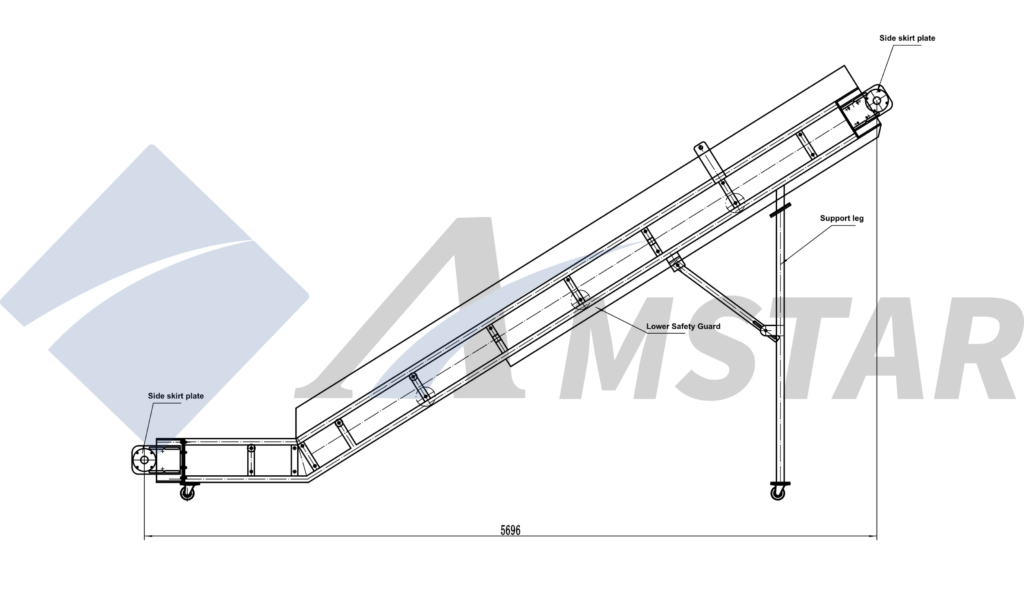
It is also recommended to inspect the conveyor frame, drums, rollers, bearings, and fasteners before installing a new belt. Damaged components should be repaired or replaced to ensure reliable operation.
Removing the Old Conveyor Belt
Start by releasing the belt tension through the tail-end adjustment mechanism. Once the belt is completely loose, remove the tail pulley assembly and carefully pull the old belt from the conveyor frame.
Before installing the new belt, clean any accumulated plastic residue, dust, or debris inside the conveyor. This is also a good opportunity to inspect rollers and bearings for excessive wear.
Installing the New Conveyor Belt
Position the new belt on the conveyor frame and ensure the running direction matches the original installation.
Reinstall the tail pulley, bearings, and safety guards. Afterward, return the conveyor to its normal operating position and verify that all components are properly aligned.
A correctly installed belt should sit evenly on the conveyor and move freely without interference.
Why More Recycling Plants Choose Fastener Conveyor Belts
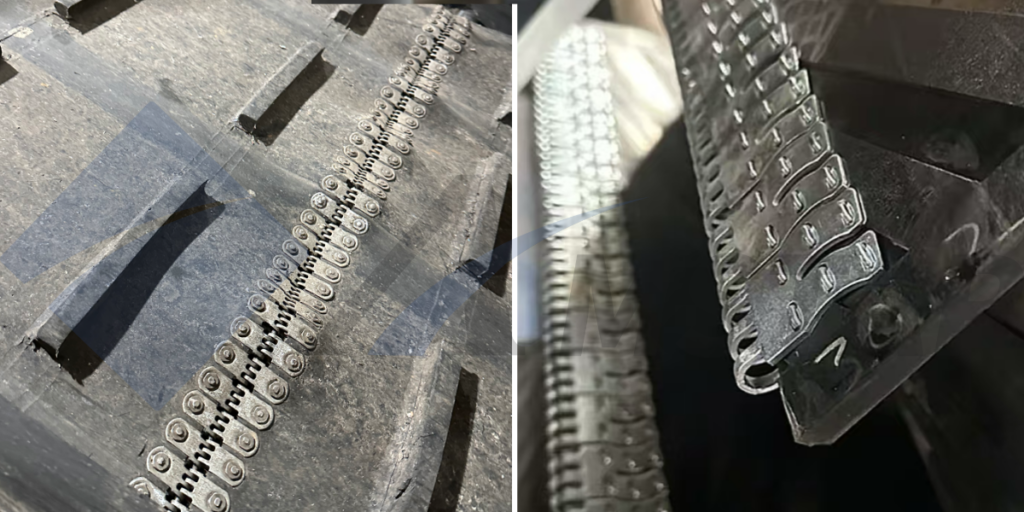
In recent years, more plastic recycling plants have started using conveyor belts with mechanical fasteners (jointed belts) instead of endless belts.
The main advantage is significantly reduced maintenance time. When a belt becomes worn or damaged, operators can replace it directly on-site without removing large conveyor components or performing hot vulcanization.
Benefits of mechanical fastener conveyor belts include:
- Faster belt replacement and reduced downtime
- Easier installation and maintenance
- Lower labor requirements
- No special vulcanizing equipment required
- Ideal for recycling plants operating multiple conveyor systems
For many plastic recycling facilities, replacing a damaged belt can now be completed within a few hours instead of an entire day, helping maintain continuous production and reduce maintenance costs.
When selecting a replacement belt, users can choose either an endless belt or a mechanical fastener belt according to their production requirements and maintenance preferences.
Belt Tension and Tracking Adjustment
Proper tension is critical for conveyor performance.
The belt should be tight enough to prevent slipping, but not so tight that it places excessive load on bearings and drive components.
When adjusting tension:
- Tighten both sides evenly.
- Make small adjustments gradually.
- Avoid over-tightening one side.
If the belt begins to drift to one side during operation, make minor tracking adjustments until it runs centrally along the conveyor.
Testing After Installation
Before restarting production:
- Remove all tools and maintenance equipment.
- Reinstall all safety guards.
- Verify that the work area is clear.
Run the conveyor without material for approximately 30 minutes and observe:
- Belt tracking
- Roller rotation
- Bearing temperature
- Noise and vibration levels
If everything operates normally, gradually introduce material and continue monitoring the conveyor under load.
A successful installation should result in smooth operation without belt slippage, misalignment, abnormal noise, or excessive temperature rise.
Ongoing Maintenance Recommendations
A new conveyor belt may stretch slightly during its initial operating period. For best results, inspect belt tension and tracking periodically during the first week of operation.
Regular maintenance helps improve conveyor reliability and reduces unexpected downtime in your plastic recycling plant.
Reliable Belt Conveyors for Plastic Recycling Machines
At PlasticRecyclingMachine.net, we supply durable and efficient belt conveyor systems for a wide range of plastic recycling machines. Our conveyors are designed for continuous industrial operation and can be customized to suit different materials, capacities, and plant layouts.
Whether you need a conveyor for a PET bottle recycling line, film washing system, shredder, crusher, or pelletizing plant, our team can provide a solution tailored to your recycling project.
Contact us today to learn more about our belt conveyor solutions and complete plastic recycling systems.
Choosing the Right Conveyor Belt for Your Recycling Line
Selecting the proper conveyor belt is just as important as choosing the conveyor itself. Factors such as material type, operating environment, conveying capacity, and maintenance requirements should all be considered.
For customers who prioritize quick maintenance and minimal downtime, mechanical fastener conveyor belts have become an increasingly popular choice in modern plastic recycling plants. Their easy installation and rapid replacement capabilities help improve overall equipment availability and production efficiency.
Inquiries
To get the latest prices and lead times, send us a message using the form below.