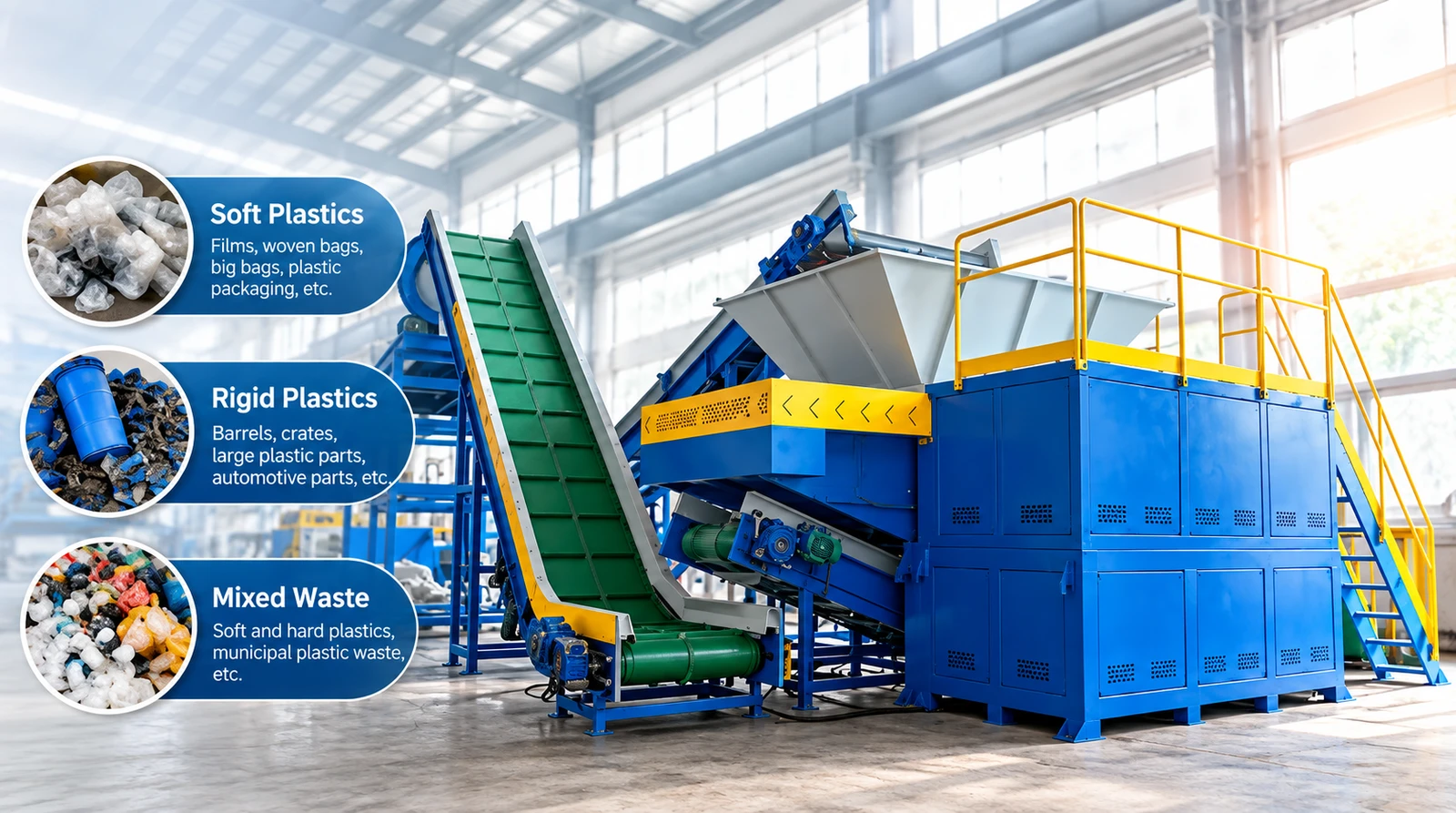
This single-shaft shredder, commissioned in Thailand, demonstrates powerful and versatile performance across multiple materials, including films, PET bottles, and wood. With high throughput, stable operation, and efficient size reduction, it delivers reliable results for modern recycling and industrial applications.
This advanced plastic recycling blender system delivers precise batching, automated material handling, and consistent mixing performance. With integrated weighing, real-time monitoring, and efficient screw feeding, it ensures accurate control and uniform output while reducing manual labor and improving operational safety.
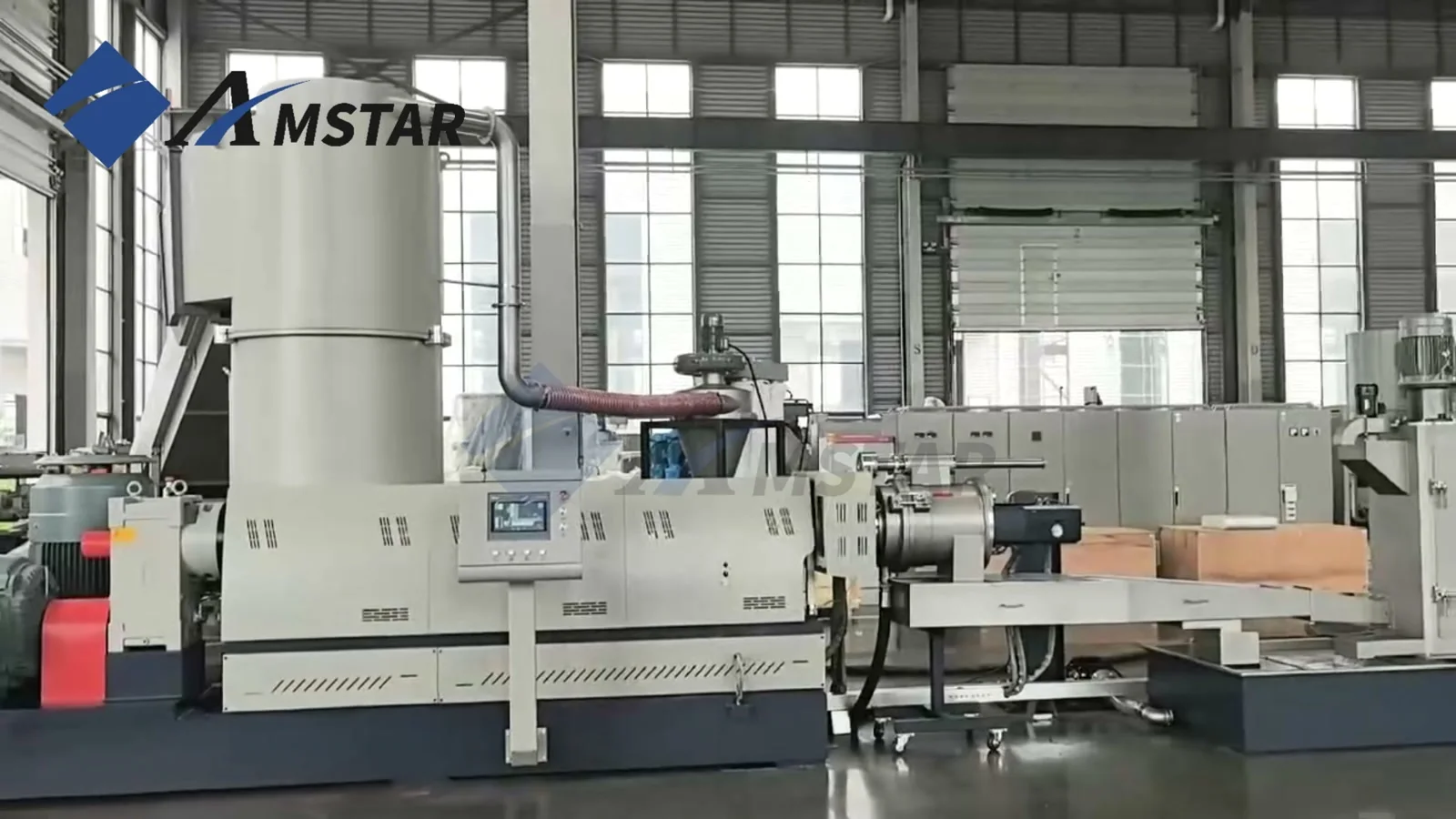
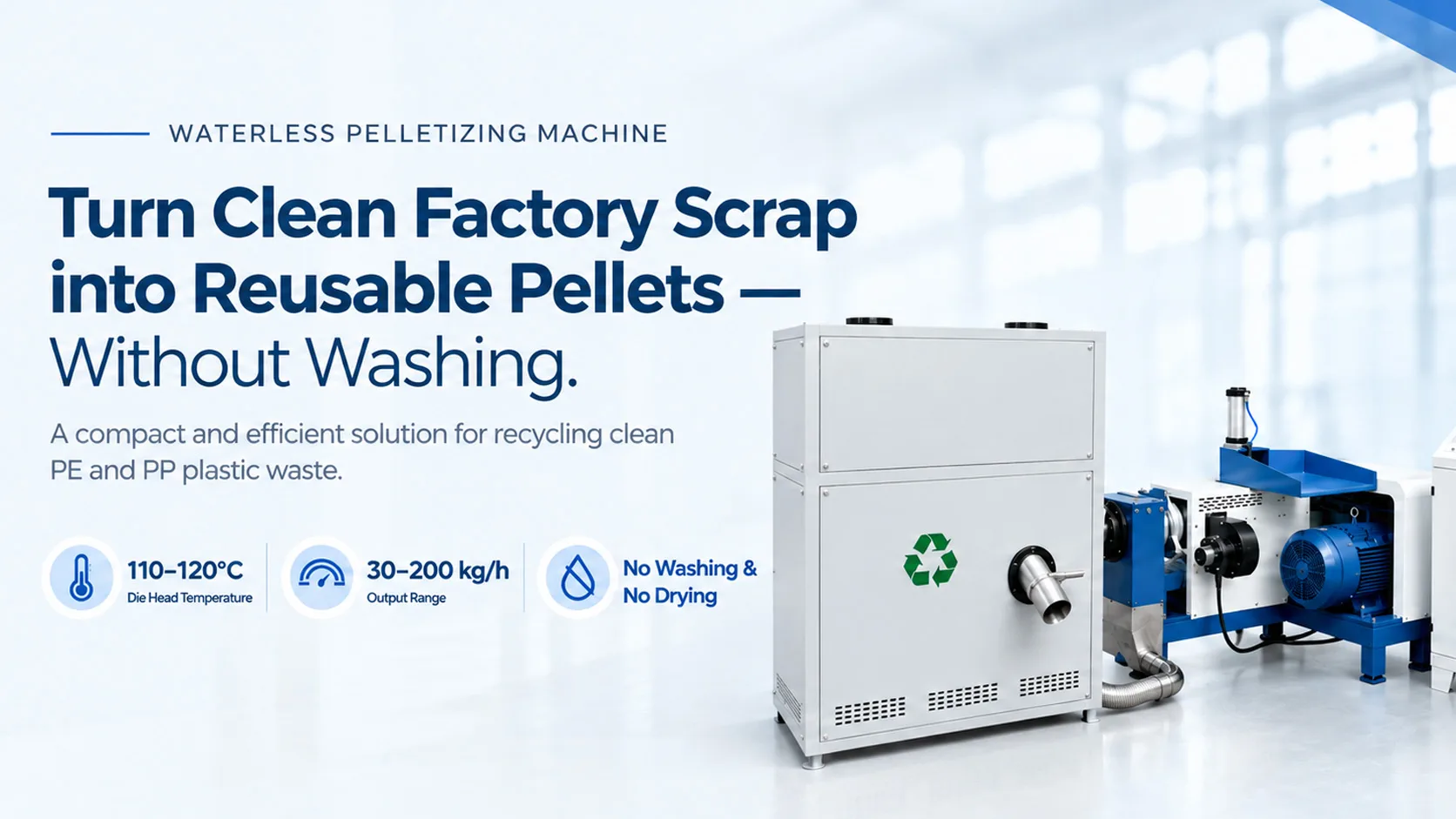
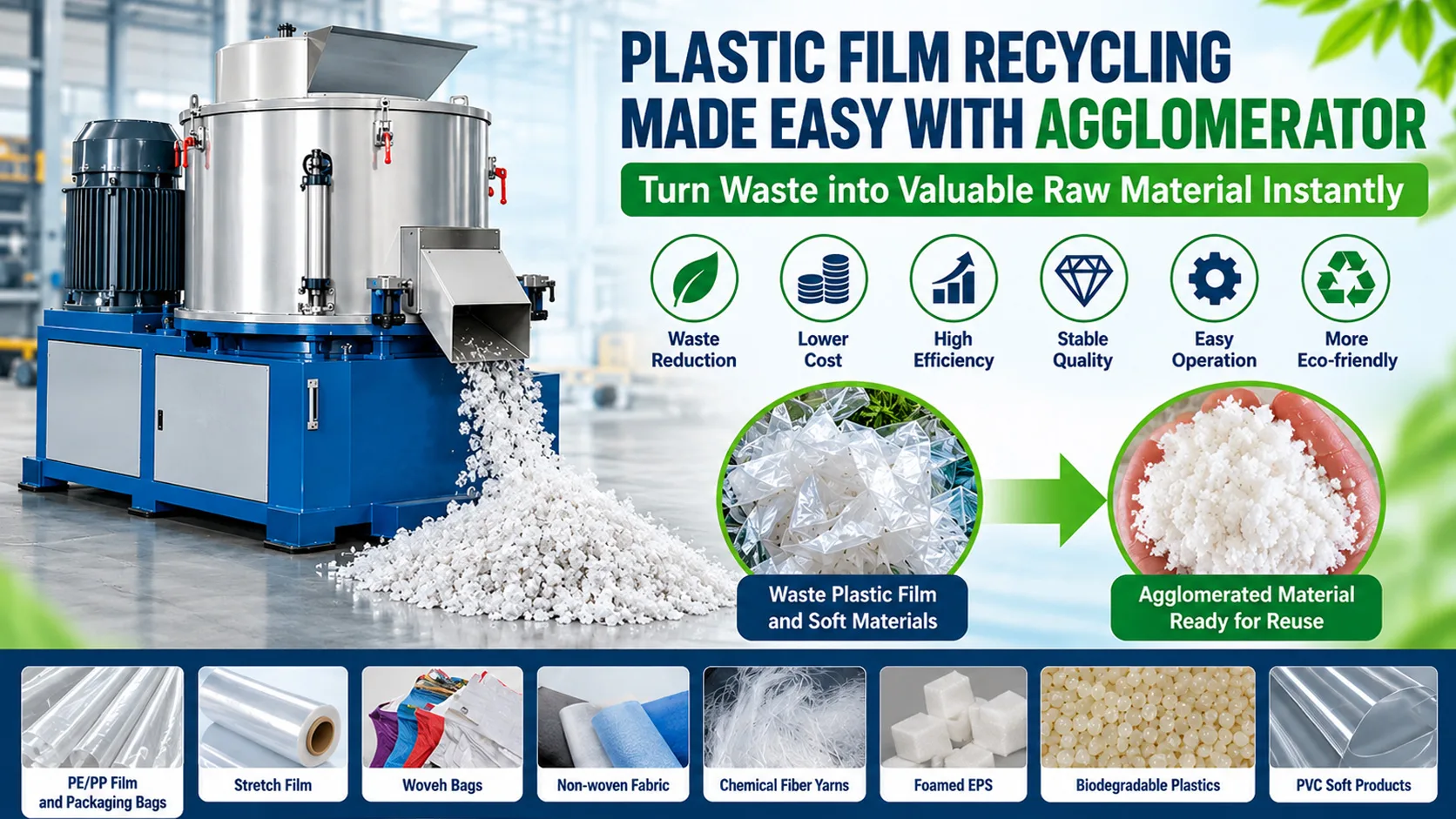
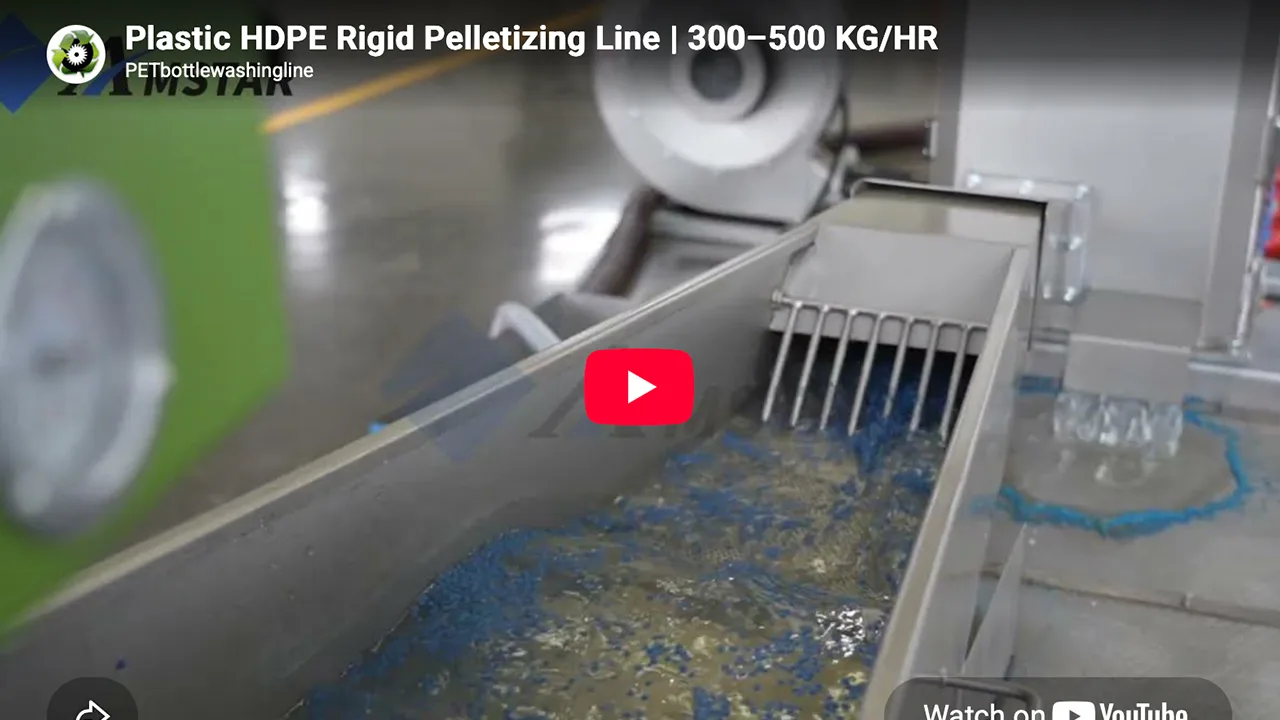
Transform plastic waste into profit with advanced recycling machines that convert discarded materials into high-quality reusable pellets. These systems reduce costs, improve efficiency, and support your move toward a more sustainable, circular business model.
Welcome to one of our latest project sites in Georgia, where we successfully installed a complete, high-efficiency plastic recycling system for processing both HDPE and PET bottles. Designed for performance and reliability, this integrated line delivers a throughput capacity of up to 500 kg per hour, making it an ideal solution for modern recycling operations.
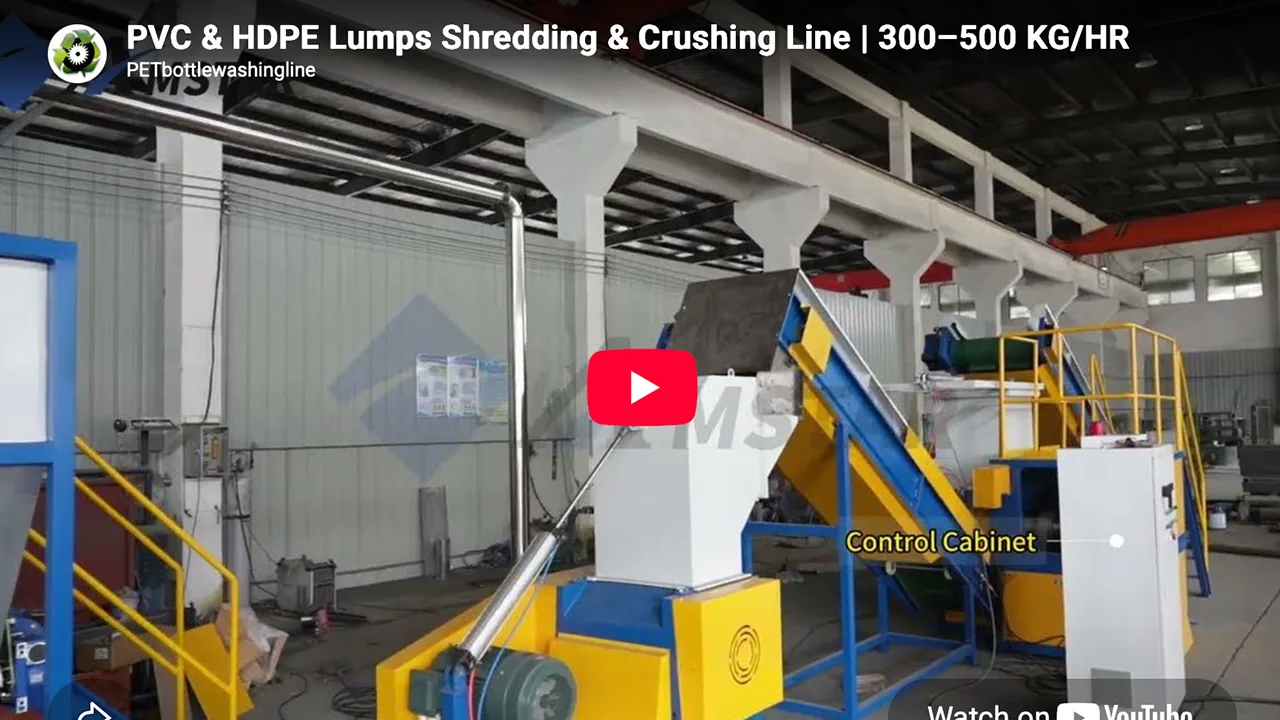
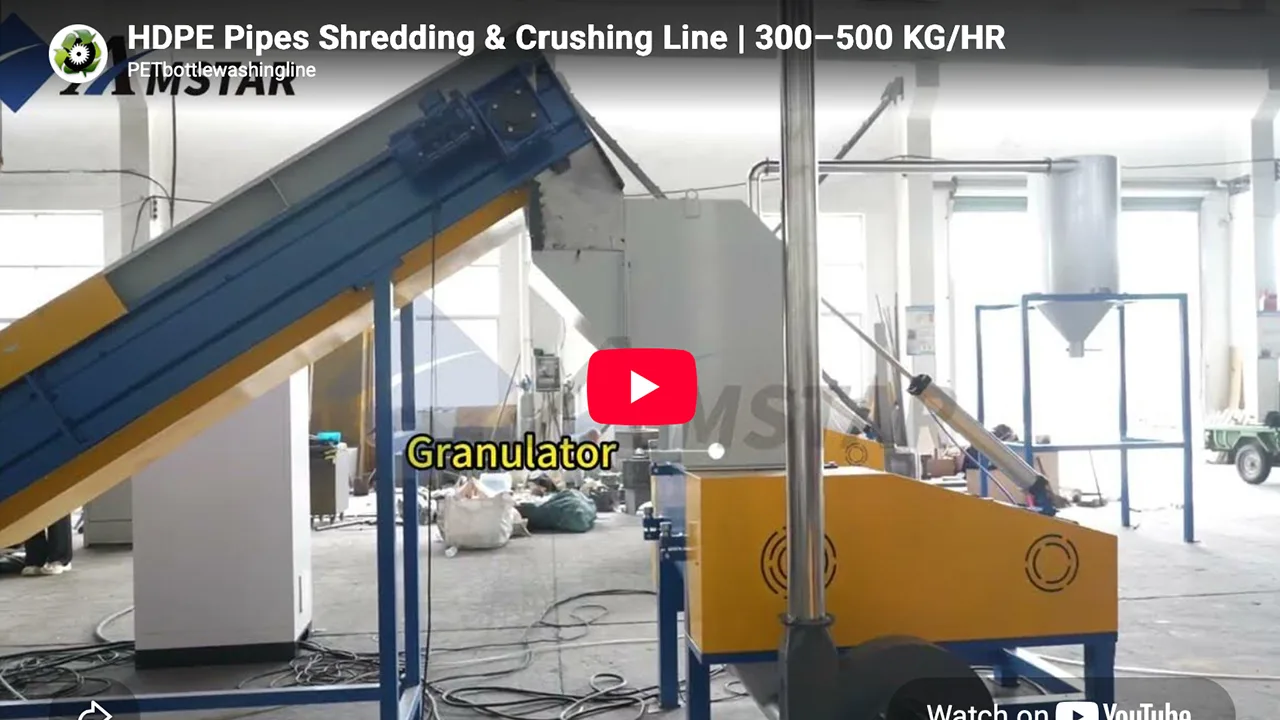
In the world of plastic recycling, size reduction is more than just a preliminary step—it’s the foundation of an efficient, high-quality process. At Plastic Recycling Machine, our granulators and crushers are engineered to transform a wide range of plastic materials into uniform flakes, setting the stage for optimal downstream performance.
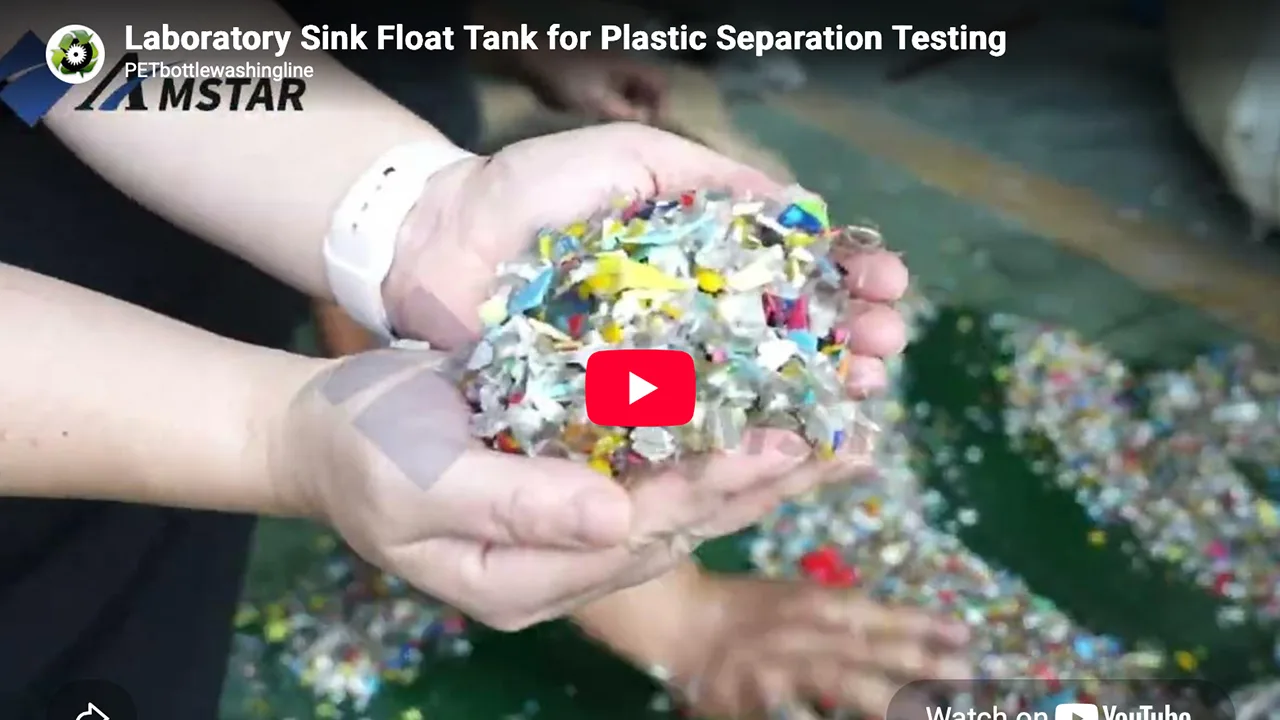
The plastic sorting line is an essential piece of equipment for processing a wide range of plastic materials, including various types of hard plastics such as PP, PE, PS, PVC, and ABS.
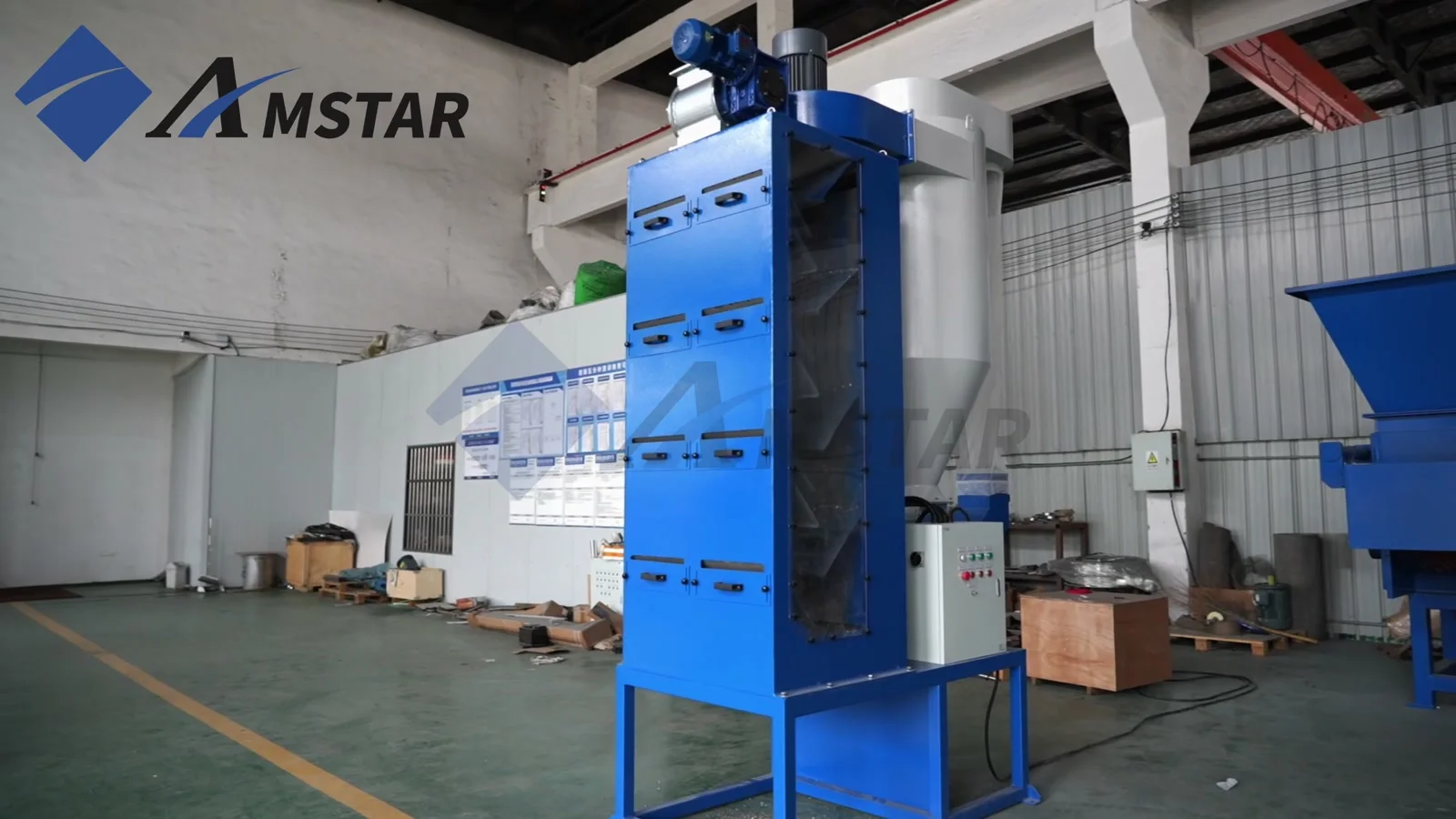
A centrifugal dryer in plastic recycling does more than remove moisture—it stabilizes material flow, improves extrusion consistency, and boosts overall line efficiency. By reducing water content early in the process, it lowers energy demand for thermal drying and minimizes defects like bubbles in pellets.
After ferrous metals are removed, the remaining mixed material (plastics + aluminum + copper) enters the eddy current separation stage, which is critical for value recovery.
The Dissolved Air Flotation (DAF) system is a highly efficient solid-liquid separation technology widely used in industrial wastewater treatment. It works by generating a large number of microbubbles (10–30 μm) that attach to suspended solids, oil, and grease.
For many recycling facilities, a simple and reliable wastewater treatment method is sufficient. One of the most practical solutions is a vibrator wastewater system.